The World's Largest Museum: Delhi's Ambitious Bet on Cultural Sovereignty
The government has cleared a Rs 3,230-crore project to build the Yuge Yugeen Bharat Museum, aiming to surpass the Louvre and the British Museum in display area. This monumental investment signals a strategic shift in how India projects its historical narrative on the global stage.
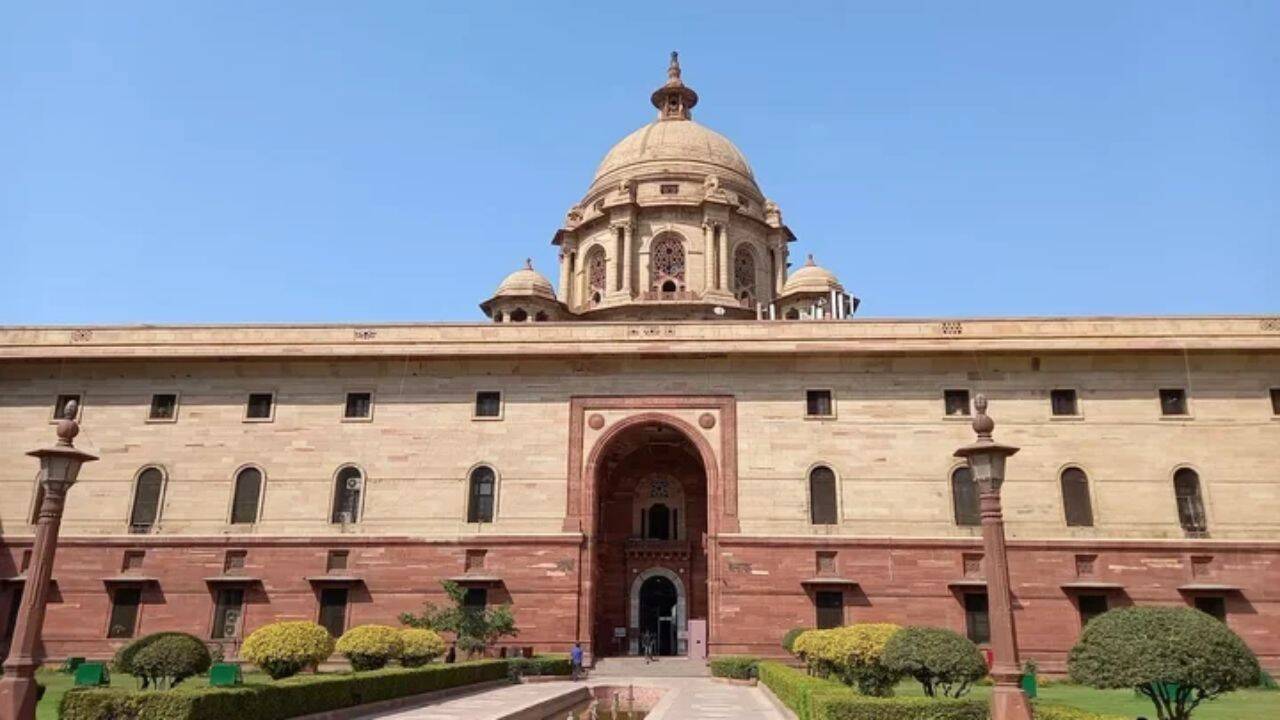
The concrete rupture in India's cultural infrastructure is the approval of a museum complex that will dwarf its Western counterparts. The Yuge Yugeen Bharat Museum, set to occupy the North and South Blocks, is not merely a repository for artifacts; it is a statement of intent to reclaim the narrative of Indian history from the colonial archives. The scale of the project, with a display area of one lakh square meters, represents a massive allocation of state resources toward a single cultural institution. This move is designed to create a physical anchor for India's soft power, a place where the world can engage with the subcontinent's past on its own terms.
The underlying tension is between the cost of this ambition and the competing demands for public spending on health, education, and infrastructure. Institutional friction arises from the debate over whether such a grandiose project serves the broader population or primarily functions as a symbol of political legacy. The decision to house this museum in the heart of the administrative capital places it at the center of power, suggesting that cultural diplomacy is now a core component of statecraft. The project challenges the traditional model of museum funding, relying on state capital rather than private philanthropy, which raises questions about long-term sustainability and governance.
The downstream outcome will be a reshaping of the global tourism map, with Delhi emerging as a primary destination for cultural travelers. The tangible benefit is the creation of thousands of jobs in construction, curation, and hospitality, but the deeper impact is the assertion of India's historical depth and continuity. This investment will likely spur similar initiatives in other cities, creating a network of cultural hubs that compete for global attention. The structural consequence is a shift in the balance of cultural influence, where India moves from being a subject of study to a curator of its own story, with significant implications for its diplomatic standing.
Comments 0