Monetary Erosion: The Diminishing Purchasing Power of Fiat Currency
Following the legislative abandonment of minor coinage, persistent structural inflation is rapidly eroding the purchasing power of the foundational currency unit. Economists warn that nominal wage gains are failing to outpace the degradation of purchasing parity.
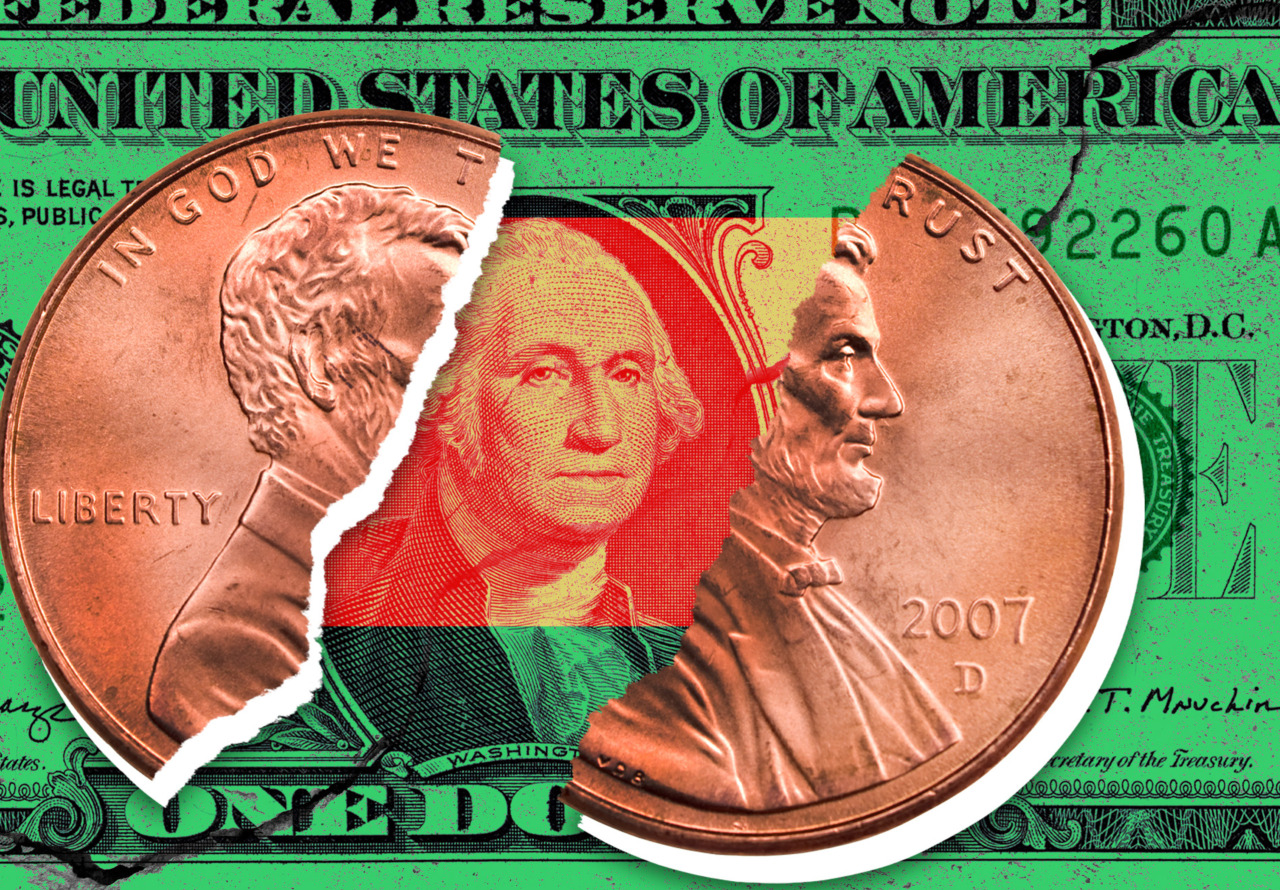
Governments frequently celebrate legislative adjustments such as the retirement of fractional currency units as victories against administrative inefficiency. Yet these symbolic measures ignore the underlying pathology of persistent inflation eating away at the core of national legal tender. The foundational currency note now commands a fraction of its historical utility, forcing everyday transactions into higher nominal brackets without any accompanying increase in real economic value. This decay breeds silent conflict between monetary authorities and wage earners whose savings are taxed by the invisible mechanism of currency debasement. Financial institutions report accelerated flight toward alternative stores of value, including digital assets and commodities. Central banks maintain that moderate inflation fuels economic activity, but working-class households experience this policy as a continuous reduction in living standards. The downstream consequence is a structural shift in consumer behavior characterized by diminished long-term savings and increased reliance on revolving credit. As the base currency loses its psychological anchoring as a stable store of value, economic planning across all strata of society becomes profoundly unstable.
Comments 0