MPs Reject Heathrow Third Runway Case, Citing Climate and Economic Shortfalls
A report by the UK Transport Committee has concluded that ministers have failed to justify the construction of a third runway at Heathrow Airport, citing inadequate economic benefits and climate commitments. This parliamentary rebuke deals a significant blow to the long-standing expansion plan, forcing a reevaluation of the UK's aviation infrastructure strategy.
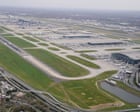
The parliamentary committee's report marks a decisive institutional shift in the debate over Heathrow's expansion, moving the argument from political advocacy to rigorous economic and environmental scrutiny. By stating that ministers have 'failed to make the case,' the committee has stripped the project of its political legitimacy, exposing the gap between the government's promises and the actual data. This concrete rupture in the policy process forces the government to either abandon the plan or present a substantially revised business case that addresses the committee's specific criticisms. The outcome is a delay that could last years, during which the airport's capacity constraints will continue to affect trade and tourism.
The underlying tension in this dispute reflects the broader conflict between economic growth and climate responsibility in the UK. The committee's emphasis on climate pledges highlights the increasing difficulty of justifying carbon-intensive infrastructure projects in a post-Brexit, post-pandemic economy. Ministers have struggled to balance the need for economic expansion with the imperative to meet net-zero targets, and the committee's report underscores this imbalance. The institutional friction between the executive and the legislature is evident, with MPs demanding transparency and accountability from a government that has long championed the runway as a symbol of British global power.
The downstream casualties of this parliamentary rejection include the aviation industry, which faces uncertainty in its long-term planning, and the local communities around Heathrow, who have been promised economic benefits that are now in doubt. The tangible outcome is a forced reevaluation of the UK's transport strategy, potentially leading to increased investment in alternative airports or high-speed rail. For the global economy, the delay in expanding one of the world's busiest hubs could have ripple effects on international trade and logistics. The 12-month consequence is a likely political realignment, with opposition parties using the report to challenge the government's competence on infrastructure and climate policy.
Comments 0