Mumbai High-Rise Fire Exposes Critical Gaps in Urban Safety Infrastructure
A fire on the 12th floor of a high-rise building in Mumbai has left nine people injured, highlighting the persistent challenges of urban safety in India's financial capital. The incident underscores the need for stricter enforcement of building codes and improved emergency response mechanisms.
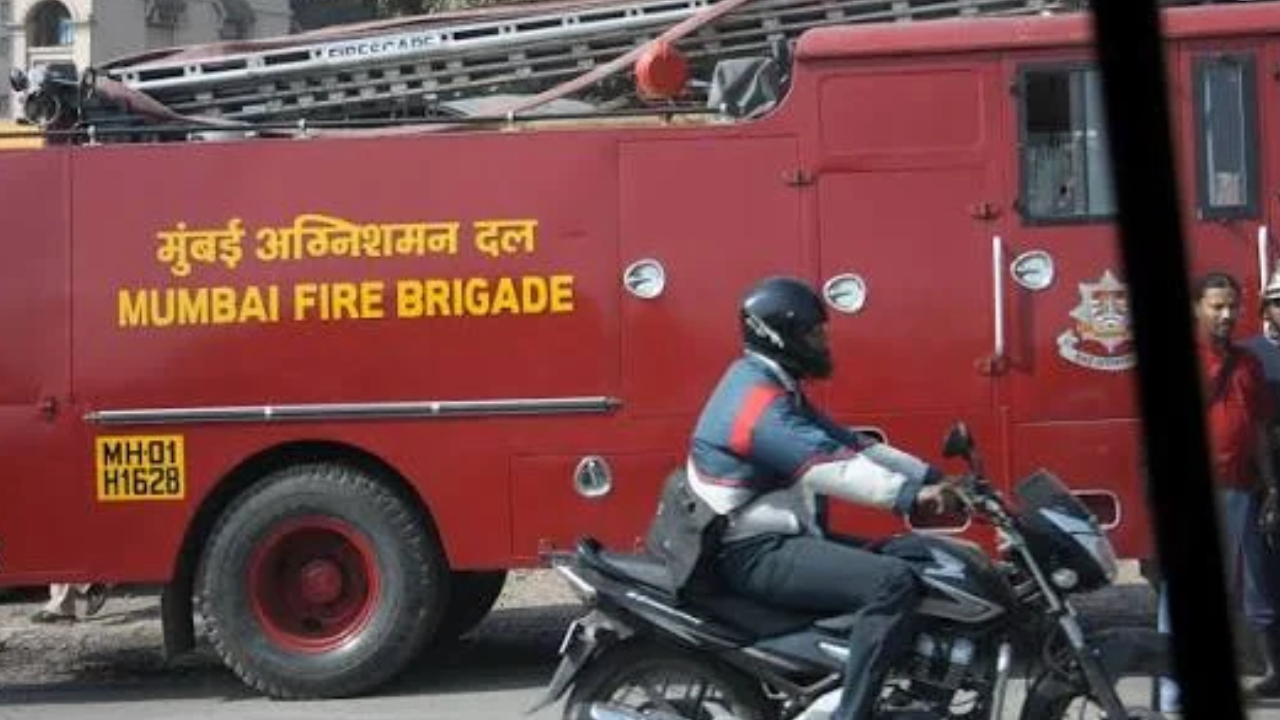
The flames that engulfed the 12th floor of a high-rise building in Mumbai have served as a stark reminder of the vulnerabilities inherent in the city's rapid urbanization. Nine individuals were injured in the blaze, a tragedy that has drawn attention to the state of fire safety in the city's residential and commercial towers. The incident has reignited debates about the adequacy of building codes and the effectiveness of the city's emergency response systems. For a city that is home to millions of residents and a hub of economic activity, the safety of its high-rise structures is a matter of paramount importance, and this fire has exposed significant gaps in that regard.
The underlying tension in this issue is the conflict between the pace of urban development and the capacity of regulatory bodies to ensure safety. Mumbai's skyline has grown at an unprecedented rate, with new high-rise buildings being constructed to accommodate the city's growing population and economic needs. However, the enforcement of safety standards has not kept pace with this growth, leading to a situation where many buildings are not equipped with the necessary fire safety systems. The institutional friction between the building owners, who are often reluctant to invest in safety upgrades, and the regulatory authorities, who lack the resources to enforce compliance, has created a dangerous vacuum. This incident is a direct consequence of that vacuum, and it will likely lead to a reevaluation of the city's approach to building safety.
The downstream consequences of this fire are likely to be significant for the city's real estate sector and its residents. The tangible outcome is a heightened awareness of the risks associated with living in high-rise buildings, which may lead to a demand for stricter safety standards and more transparent reporting of fire incidents. The long-term impact will be a push for regulatory reform, with the city government likely to introduce new measures to ensure the safety of its buildings. This could include mandatory fire safety audits, improved emergency response protocols, and greater penalties for non-compliance. The incident will also serve as a catalyst for a broader discussion about the sustainability of Mumbai's urban growth and the need to prioritize safety in the planning and construction of new buildings.
Comments 0