Delhi Announces Dussehra Road Diversions, Urges Metro Use Amid Evening Rush
The Delhi police issued an advisory that key east‑city arteries will be closed from 5 p.m. to 8 p.m. on Dussehra, directing commuters to rely on the metro system. The move aims to prevent traffic snarls and ensure public safety during the festival celebrations. Authorities have posted real‑time updates on official channels to guide motorists.
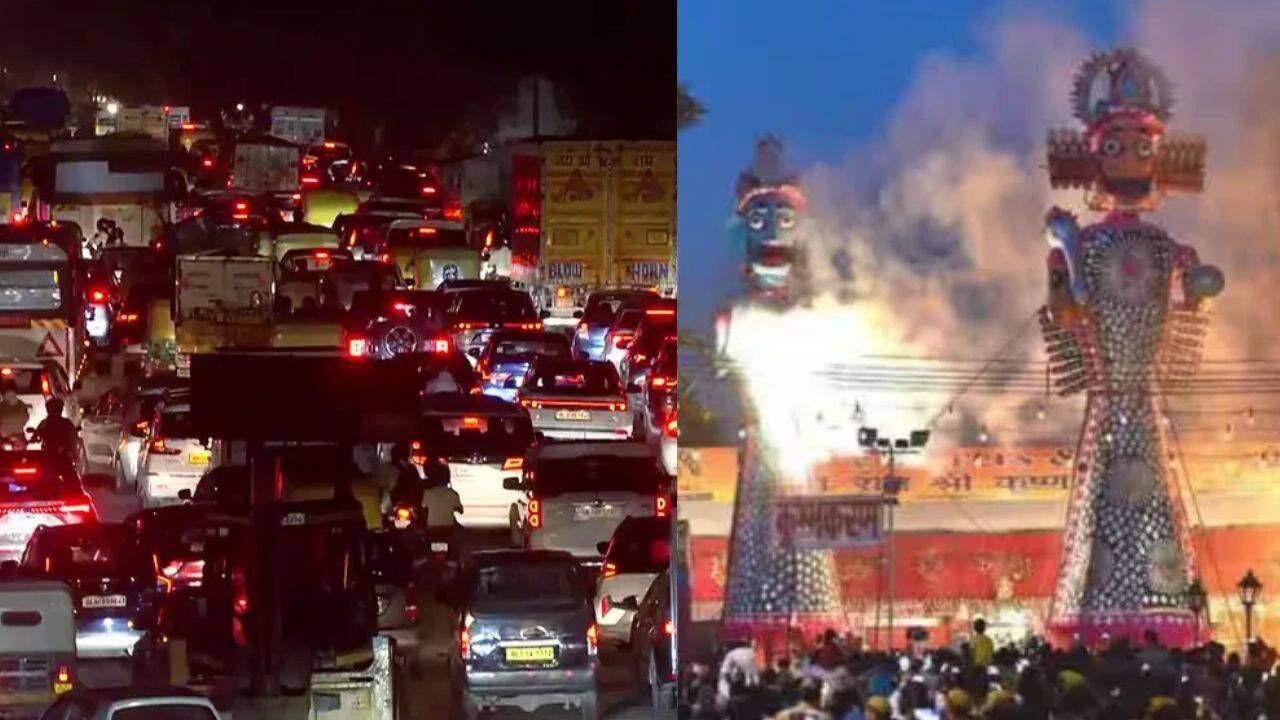
The concrete rupture materialised when the Delhi traffic police released an official notice indicating that several major thoroughfares in the eastern districts will be subject to diversions during the Dussehra evening peak. The advisory specifies that routes such as the Ring Road, Mathura Road, and parts of the Delhi‑Noida corridor will experience partial closures, compelling drivers to seek alternative pathways or switch to public transport. The police have coordinated with the Delhi Metro Rail Corporation to increase train frequency on lines serving the affected zones, aiming to absorb the displaced commuter volume.
Underlying tension stems from the perennial challenge of managing vehicular congestion during major festivals, when private vehicle usage spikes and road‑side festivities attract crowds. Institutional friction is evident as municipal authorities, law‑enforcement agencies, and the metro operator negotiate the allocation of resources for traffic monitoring, crowd control, and emergency response. Past experiences of gridlock and accidents during similar events have heightened public sensitivity to traffic‑management decisions, prompting officials to adopt a more proactive communication strategy.
The downstream casualties, if the advisory is ignored, could include prolonged travel delays, heightened risk of road‑traffic accidents, and strain on emergency services responding to festival‑related incidents. Conversely, successful adherence may set a precedent for integrated traffic‑management frameworks during future cultural celebrations. In the coming twelve months, the city is expected to refine its festival‑day mobility plans, potentially incorporating real‑time data analytics to optimise diversion routes and further encourage mass‑transit usage.
Comments 0