Mumbai Law Enforcement Apprehends Youth Accused of Reconnaissance Targeting Historic Chabad House
Mumbai police have arrested a twenty-year-old operative suspected of conducting detailed security reconnaissance around the Chabad House, a prominent target from the twenty-sixth of November attacks. This detention exposes persistent security vulnerabilities and active surveillance threats in sensitive urban zones.
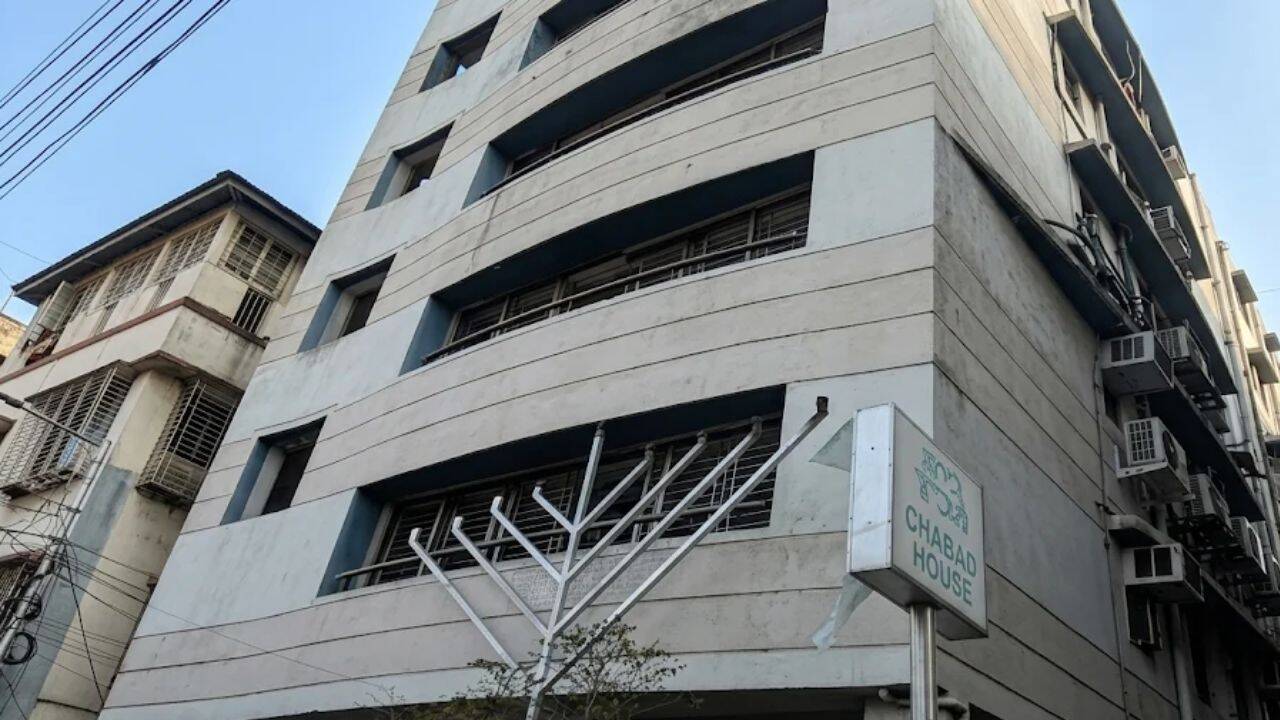
Anti-terrorism squads and local law enforcement in Mumbai executed a swift apprehension of a young operative discovered conducting unauthorized surveillance and physical mapping around the heavily fortified Chabad House in Colaba. The location carries profound historical trauma as a primary site of the tragic terrorist attacks, making any security breach a matter of utmost national urgency. Preliminary interrogations indicate the suspect gathered detailed blueprints of entry points, security guard rotations, and surrounding municipal blind spots for external handlers.
The arrest underscores the ongoing intelligence challenges faced by metropolitan security agencies in neutralizing low-level reconnaissance assets who blend seamlessly into dense urban environments. While major terror networks have evolved toward decentralized digital operations, physical site profiling remains an indispensable precursor for hostile actors seeking to exploit gaps in high-value installations. Security analysts noted that the quick detection reflects improved surveillance grid coverage, yet it simultaneously highlights the relentless persistence of threats directed at symbolic foreign and religious sites.
The tangible outcome of this operation will be an immediate intensification of static security deployments across sensitive installations throughout south Mumbai, alongside expanded digital footprint analysis of the suspect's communications network. For municipal law enforcement, the incident serves as a stark reminder that counter-terrorism vigilance must remain absolute, prompting comprehensive reviews of private and public surveillance coverage around high-risk zones.
Comments 0