Mumbai prepares first underground art gallery and café in Kala Ghoda district
The city’s cultural hub will soon host an underground gallery and café, offering artists a novel venue and promising a boost to local tourism. The project signals a shift toward experiential urban spaces in Mumbai.
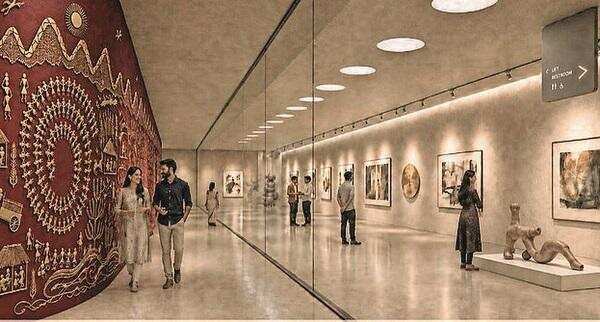
Developers have secured a disused basement beneath the historic Kala Ghoda precinct to convert it into a curated art space complemented by a modest café. The initiative, backed by the municipal corporation and private sponsors, aims to provide emerging artists with affordable exhibition space while attracting visitors seeking immersive cultural experiences. Architects have designed the venue to preserve the structural integrity of the old building, integrating subtle lighting and acoustic treatments that enhance the display of contemporary works.
The gallery’s opening is expected to coincide with the city’s annual arts festival, positioning it as a focal point for both domestic and international collectors. Local businesses anticipate a rise in foot traffic, which could translate into higher revenues for nearby eateries, boutiques, and heritage hotels. Moreover, the project aligns with Mumbai’s broader strategy to repurpose underutilised urban pockets, thereby mitigating real‑estate pressure in the city’s congested core.
Critics, however, caution that the venture must address accessibility concerns, noting that underground venues can pose challenges for individuals with mobility impairments. The municipal authorities have pledged to incorporate ramps and tactile signage to ensure inclusive access. If successful, the model may inspire similar adaptive‑reuse projects across other Indian metros, reshaping the cultural economy in the coming year.
Comments 0