Mumbai’s BEST Proposes New Bus Corridors and Digital App to Pursue Zero‑Accident Target
The Brihanmumbai Electric Supply and Transport (BEST) board unveiled a plan for additional routes, a zero‑accident ambition, and a dedicated mobile application. The proposal aims to modernise the city’s public‑transport network and improve commuter safety.
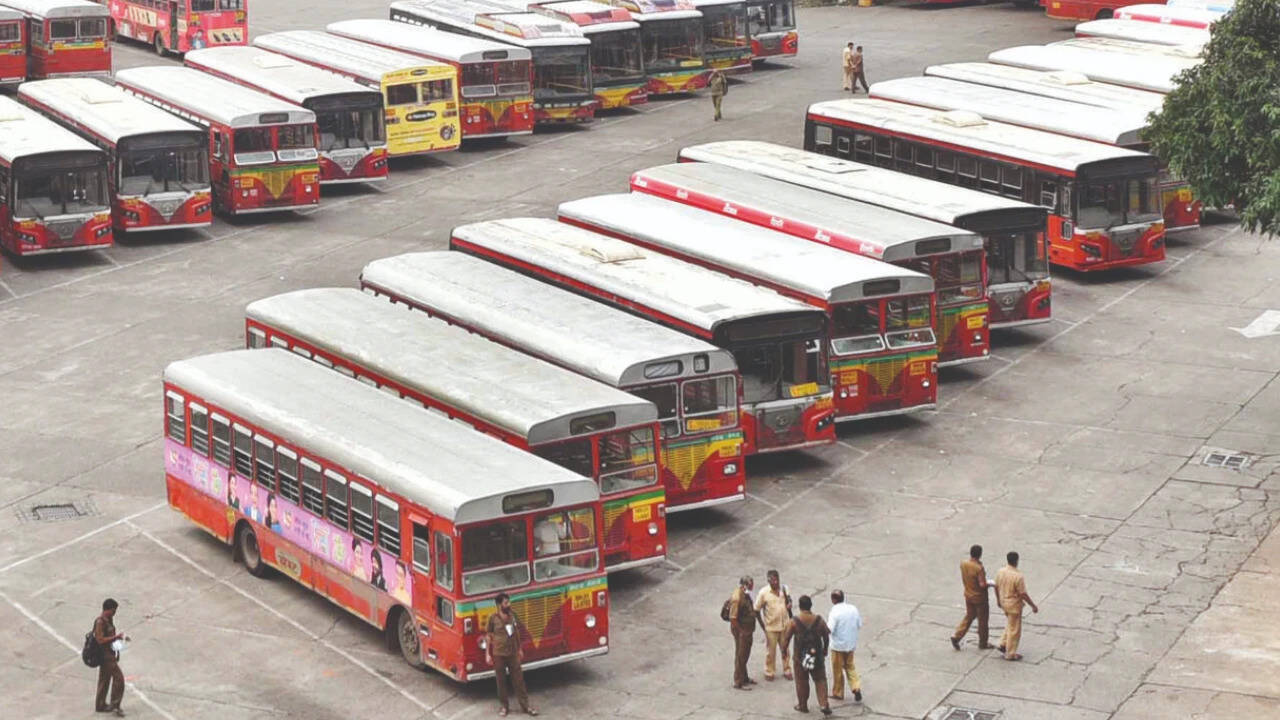
The concrete rupture was marked by a press conference at the BEST headquarters where senior officials presented a blueprint for expanding the bus fleet, introducing three new corridors that link underserved suburbs to the central business district, and launching a smartphone application to streamline ticketing and real‑time tracking. The board highlighted that the new routes will serve an estimated 250,000 additional passengers daily, alleviating pressure on existing services and reducing road congestion.
Underlying tension lies in the financial and operational challenges of implementing such an ambitious programme. Funding must be secured from municipal budgets and potential public‑private partnerships, while the workforce will require training to adapt to new safety protocols and digital tools. Critics within the city’s transport community have warned that without robust enforcement, the zero‑accident goal may remain aspirational, urging the board to prioritize infrastructure upgrades such as dedicated bus lanes and upgraded signalling systems.
Downstream casualties include a likely shift in commuter behaviour, as improved reliability and safety may persuade private‑car owners to switch to public transport, easing traffic snarls and lowering emissions. The digital app could also generate valuable data on passenger flows, enabling more responsive service adjustments and informing future urban‑mobility policies. If successful, the initiative may set a benchmark for other Indian metros seeking to modernise legacy transport systems within the next twelve months.
Comments 0