Mumbai's Nocturnal Air Crisis: PM Levels Surge Past 600
Mumbai's air quality has deteriorated sharply during the night hours, with particulate matter levels exceeding 600 micrograms per cubic meter. This spike in pollution poses a significant health risk to residents, particularly those with pre-existing respiratory conditions, as the city grapples with the aftermath of Diwali celebrations.
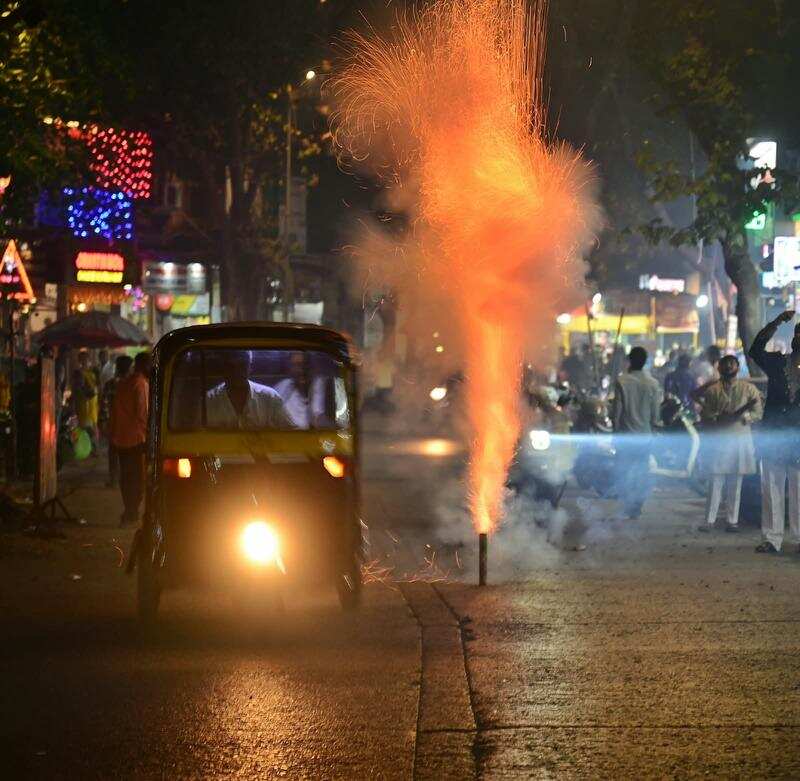
The coastal metropolis of Mumbai, known for its bustling streets and culture, is currently choking on a blanket of toxic air. As the sun set on the Diwali festivities, the concentration of particulate matter in the atmosphere surged dramatically, pushing the Air Quality Index into the very poor and severe categories. The night air, typically a time for the city to breathe, has become a hazardous environment where the lungs of millions are under siege. The visibility has dropped significantly, and the smell of burnt fuel and fireworks hangs heavy in the humid air, creating a suffocating atmosphere that is both visible and palpable.
The underlying tension in Mumbai's air quality crisis is rooted in the city's dense urban fabric and the sheer volume of emissions generated by its transport and industrial sectors. The Diwali period exacerbates this pre-existing vulnerability, as the release of fireworks and the increased use of vehicles during the festival period create a perfect storm of pollution. There is a lack of effective real-time monitoring and enforcement mechanisms that could mitigate the impact of these spikes. The city's infrastructure is ill-equipped to handle such sudden surges in pollutant levels, leading to a situation where the health of its residents is left to chance.
The immediate consequence of this air quality crisis is a spike in hospital admissions for respiratory ailments. Doctors report an increase in cases of asthma, bronchitis, and pneumonia, particularly among the elderly and children. The economic impact is also significant, as the poor air quality discourages outdoor activities and reduces productivity. In the long term, this recurring pattern of pollution spikes will lead to a higher burden of chronic respiratory diseases, placing a substantial strain on the city's healthcare system and reducing the overall quality of life for its residents.
Comments 0