Pune's Diwali Air Quality Deteriorates to Poor, Forecast Very Poor
Pune's air quality has slipped to the poor category by Diwali evening, with forecasts indicating a further decline to very poor levels in the morning. The deterioration poses a health risk to residents, particularly those with respiratory issues, as the city deals with the environmental impact of festival celebrations.
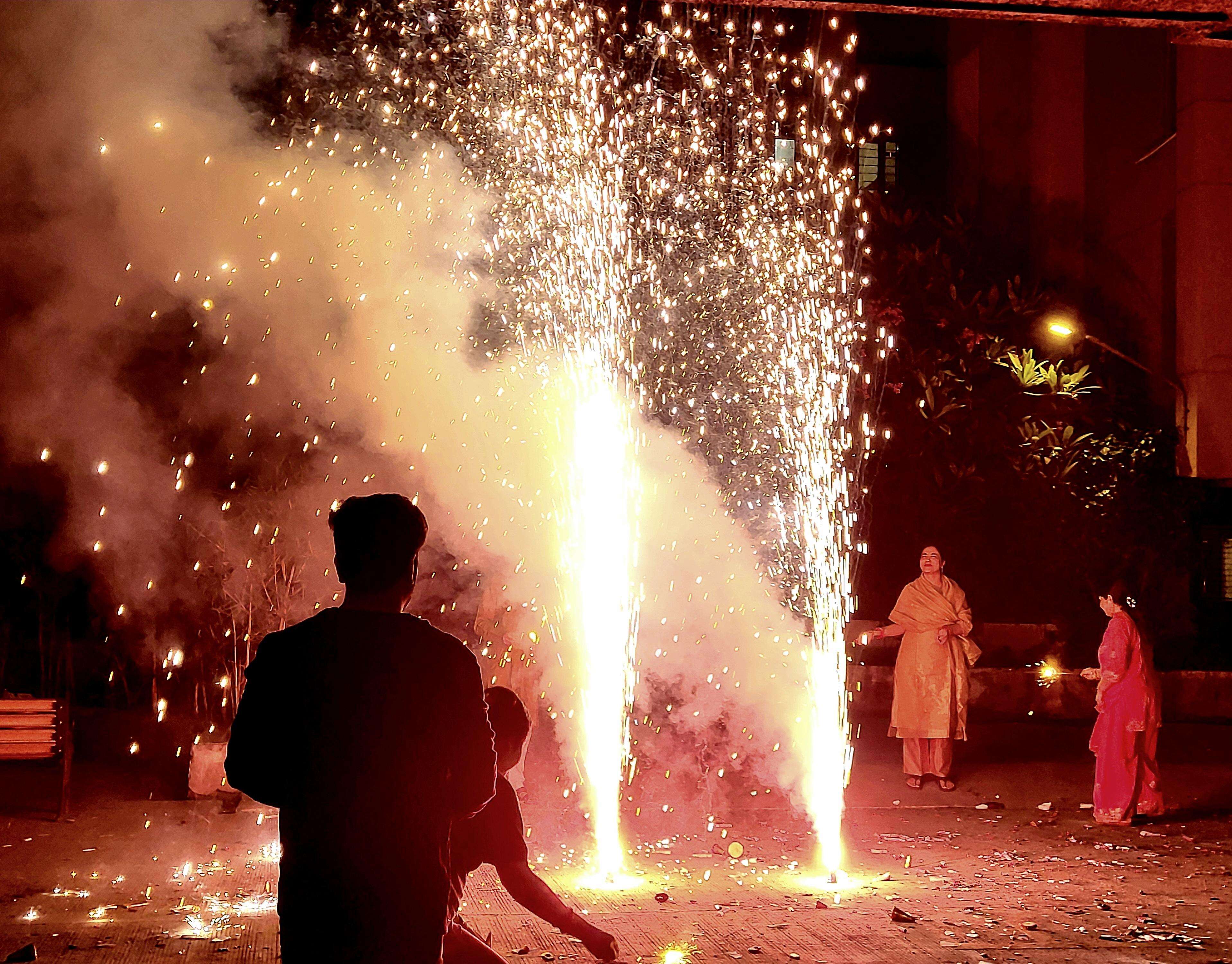
The city of Pune, a hub for education and technology in western India, is facing a significant air quality challenge following the Diwali celebrations. By the evening of the festival, the Air Quality Index had already slipped into the poor category, signaling a noticeable decline in air purity. The situation is expected to worsen further in the morning, with forecasts predicting a very poor air quality index. This deterioration is a direct result of the widespread use of firecrackers and the increased vehicular emissions during the festival period. The air in Pune, usually characterized by its pleasant climate, is now thick with particulate matter, posing a threat to the health of its residents.
The underlying tension in Pune's air quality crisis is exacerbated by the city's rapid urbanization and the lack of adequate green spaces to absorb pollutants. The Diwali period acts as a catalyst for this pre-existing vulnerability, as the release of fireworks and the increased use of vehicles during the festival period create a surge in emissions. There is a disconnect between the cultural significance of the festival and the environmental cost of its celebration. The city's infrastructure is not equipped to handle such sudden spikes in pollutant levels, leading to a situation where the health of its residents is compromised.
The immediate consequence of this air quality crisis is an increase in respiratory ailments among the population. Hospitals in Pune are reporting a rise in cases of asthma, bronchitis, and other respiratory conditions, particularly among the elderly and children. The economic impact is also significant, as the poor air quality discourages outdoor activities and reduces productivity. In the long term, this recurring pattern of pollution spikes will lead to a higher burden of chronic respiratory diseases, placing a substantial strain on the city's healthcare system and reducing the overall quality of life for its residents.
Comments 0