Municipal Transit Restrictions in Punjab Trigger Commuter Backlash and Driver Unrest
New regulatory constraints imposed on commercial cab services across Punjab have inflated urban passenger fares while igniting protests from drivers. The enforcement action exposes the economic friction between municipal transit oversight and gig economy laborers.
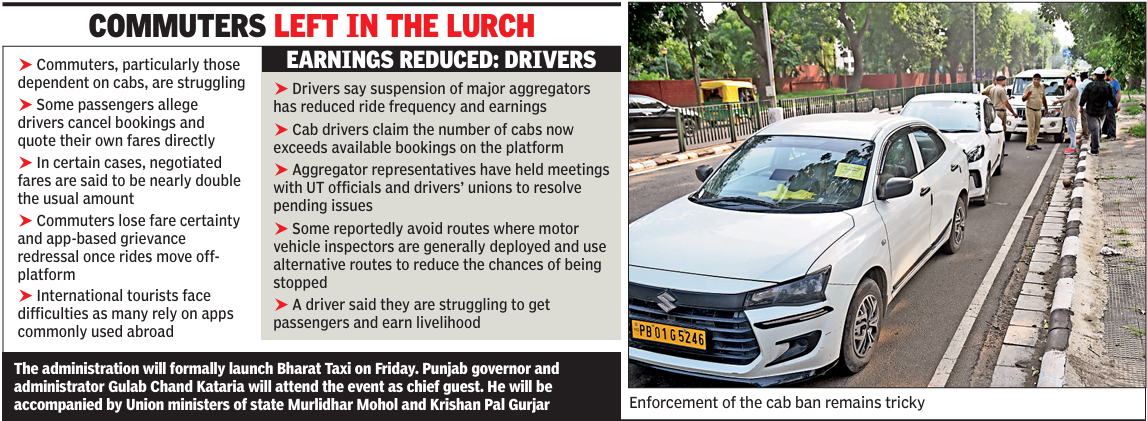
Urban mobility networks in northern India have experienced severe friction following the implementation of stringent operational guidelines for app-based and conventional taxi operators. Local transit authorities introduced the mandates to curb congestion and enforce compliance with regional transport codes, but the immediate result was a contraction in vehicle availability. Passengers accustomed to subsidized, algorithmic pricing models suddenly face depleted fleets and sharply escalated travel costs. Commercial drivers, caught between rigid regulatory compliance costs and declining daily earnings, have organized coordinated pushbacks against both platform aggregators and municipal regulators. The friction highlights the limits of top-down municipal interventions in managing decentralized labor markets. While policymakers claim the rules protect consumer safety and ensure fair competition, independent drivers argue the framework systematically advantages entrenched transport monopolies. The tangible outcome is a fragmented urban transit ecosystem where everyday commuters absorb the financial penalty of regulatory deadlocks. Low-income workers reliant on affordable cab services face mobility restrictions, forcing a return to overcrowded public transport options. Meanwhile, platform operators absorb reputational damage while maneuvering to pass compliance expenses down to the end consumer.
Comments 0