Niti Aayog Leadership Signals End of Zero Fee Era for Unified Payments Interface
Policy architects have signaled that the state cannot indefinitely subsidize digital transactions, opening the door for merchant fees. This stance threatens to upend the payment habits of hundreds of millions of retail users.
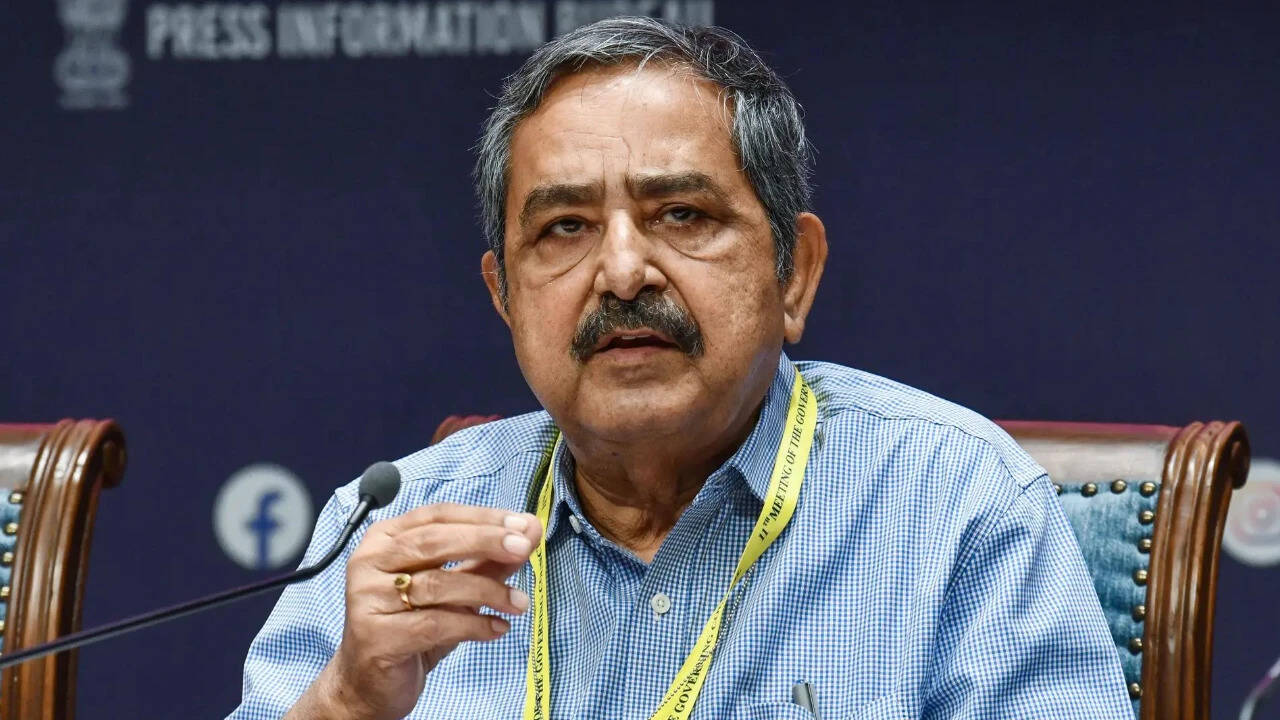
The foundational architecture of India's digital economy faces a profound philosophical correction as high-ranking policy officials question the long-term viability of zero-cost digital payments. For years, the Unified Payments Interface operated on state-backed financial life support, absorbing transaction costs to incentivize mass adoption across every tier of commerce. Proponents of merchant discount rates argue that sustaining such infrastructure without revenue streams stifles innovation among payment service providers and creates systemic vulnerabilities. Critics counter that introducing fees on low-value consumer transfers will reverse financial inclusion gains, driving millions back toward opaque cash transactions. This debate exposes the friction between fiscal conservatism and public welfare mandates within India's financial regulatory apparatus. Fintech firms have long complained that processing billions of zero-margin transactions threatens their solvency, forcing them into cross-subsidization models that rely on riskier lending products. Meanwhile, banking institutions find themselves caught between compliance costs and the political impossibility of alienating a voting public accustomed to frictionless, free transfers. The state must now navigate this delicate balancing act without sparking a popular revolt against digital commerce. The immediate casualty of this policy shift will be the consumer trust that underpinned the rapid expansion of digital wallets and instant bank transfers. If merchant charges materialize, small vendors will likely pass the burden to buyers or abandon QR codes entirely, slowing the velocity of retail commerce in semi-urban and rural markets. Over the next twelve months, payment aggregators will lobby aggressively for a tiered pricing structure, permanently altering the economics of everyday commerce across the subcontinent.
Comments 0