Oil Markets Bet on Phantom Surplus Amid Middle East Turmoil
Global oil prices remain rangebound as agency forecasts of impending oversupply clash with persistent supply disruptions in the Middle East. Traders confront a widening gap between paper expectations and physical market tightness.
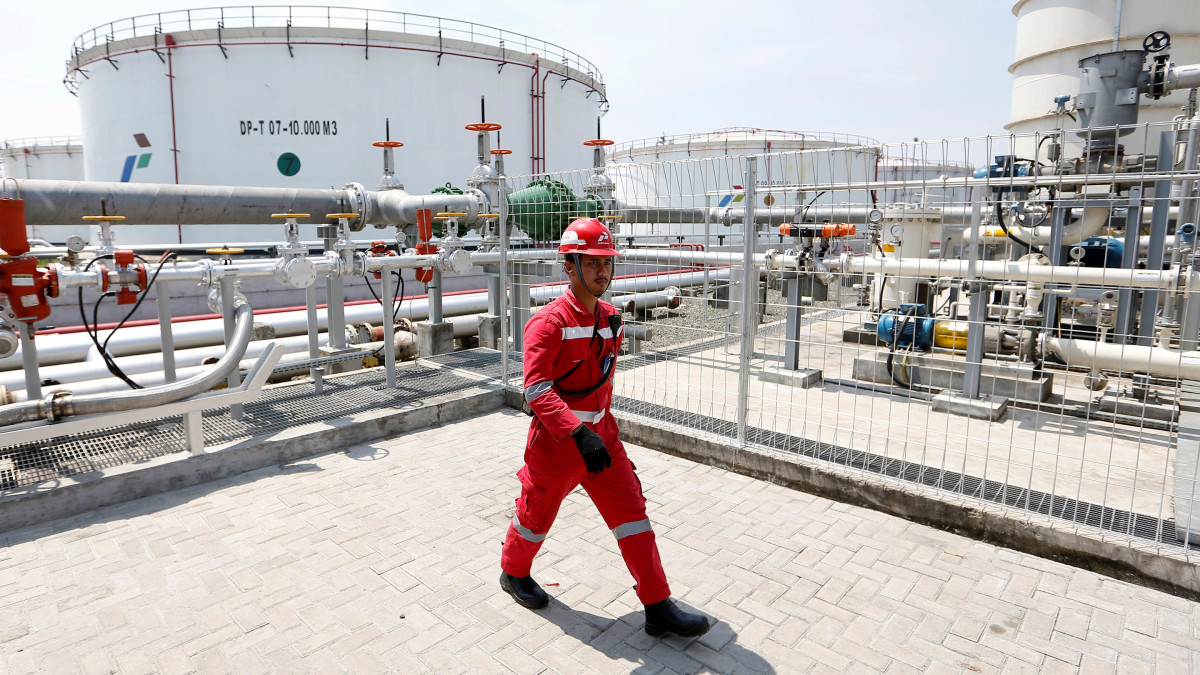
The concrete rupture emerged this month when successive agency reports projected a supply glut that has yet to materialize in physical cargoes. Benchmark crude has traded in a narrow band, refusing to collapse despite bearish forecasts, as attacks on energy infrastructure and stalled diplomatic efforts keep physical markets taut. This divergence between paper sentiment and physical reality has created a volatile standoff where every inventory release becomes a referendum on which narrative prevails.
The underlying tension stems from a structural mismatch: forecasting models assume rational actor behavior and predictable geopolitics, while the physical market contends with asymmetric warfare, sanction evasion, and OPEC+ discipline that defies spreadsheet logic. Institutional friction appears in the reluctance of major producers to signal true spare capacity, and in the inability of consuming nations to coordinate strategic reserve releases without roiling domestic politics. The result is a market priced for a surplus that exists only in equilibrium models.
Downstream casualties include refining margins squeezed between expensive crude and weak product demand, hedge funds nursing losses on short positions, and developing nations facing imported inflation without the fiscal buffers of advanced economies. The tangible outcome is a prolonged period of price volatility that discourages long-term investment in both fossil and transition energy, embedding uncertainty into the very infrastructure needed for energy security.
Comments 0