Oil Prices Defy Supply Recovery as Geopolitical Anxiety Persists
Crude oil prices have risen despite reports of recovering export flows from the Persian Gulf and the Red Sea. This divergence suggests that market participants are pricing in persistent geopolitical risk rather than immediate supply constraints.
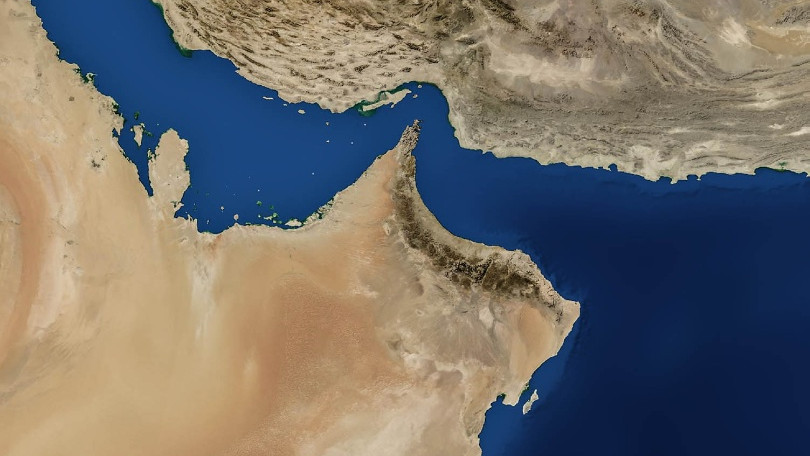
The recent trend in oil markets presents a paradox that challenges conventional supply and demand models. While headlines have been dominated by news of recovering oil flows in the Persian Gulf and the Red Sea, barrel prices have continued to climb. This disconnect indicates that the market is not reacting to the physical availability of crude but to the perceived volatility of the geopolitical environment. Traders are hedging against the possibility of sudden disruptions, rather than responding to the current state of supply.
The underlying tension stems from the fragility of the post-conflict stability in key production regions. Even as flows normalize, the memory of recent disruptions and the ongoing uncertainty in the Middle East keep a premium on the price of oil. This is a market driven by fear and anticipation, where the risk of a new conflict or a sudden blockade is valued higher than the current surplus of barrels. The institutional friction here is between the physical reality of the supply chain and the psychological reality of the trading floor.
The tangible outcome is a sustained high-cost environment for energy consumers and industries. As long as geopolitical anxiety remains a dominant factor, oil prices will remain elevated, impacting inflation and economic growth globally. This situation benefits producers in the region but imposes a significant burden on importers, particularly in Asia and Europe. The market is effectively taxing the global economy for its own uncertainty, a cost that will persist until a more stable geopolitical order is established.
Comments 0