Parliamentary Expansion: The Delimitation Bill Gathers Unlikely Alliances
The Lok Sabha has listed three bills to increase its maximum strength from 550 to 850, a move that has secured the support of the DMK and NCP-Sharad factions. This legislative maneuver signals a significant shift in the balance of power, as the ruling coalition edges closer to the two-thirds majority required for constitutional amendments.
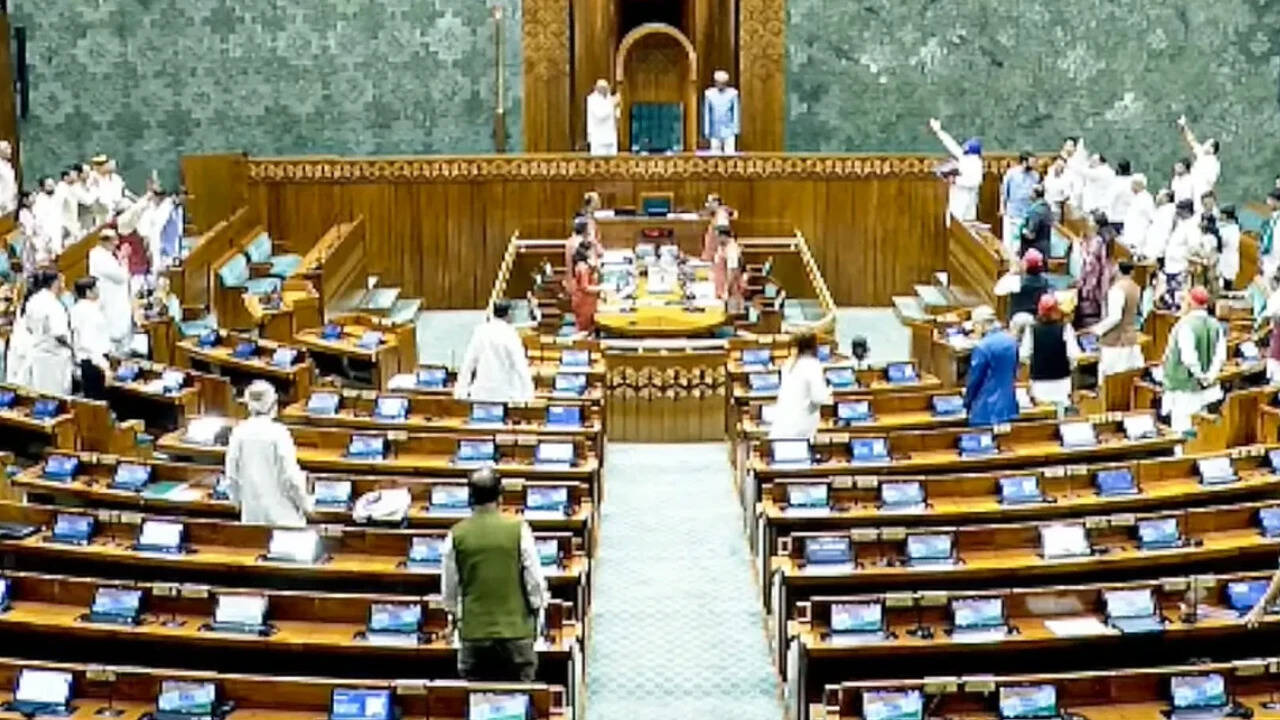
The Indian Parliament is on the verge of a structural transformation that will reshape the electoral map of the nation. Three bills aimed at expanding the strength of the Lok Sabha from 550 to 850 members have been placed on the agenda for Monday, marking a decisive step toward the implementation of the delimitation process. This expansion is not merely a numerical adjustment; it is a fundamental reorganization of representative democracy in the world's largest democracy, designed to accommodate population growth and regional disparities that have long strained the existing framework.
The political calculus behind this move is intricate, relying on the consolidation of support from unlikely quarters. The Dravida Munnetra Kazhagam (DMK) has signaled its backing, arguing that the new distribution offers no loss to Tamil Nadu, while the NCP-Sharad faction and the BRS of Telangana have also aligned with the government. This coalition of convenience exposes the fragility of the opposition, which appears disorganized and ambivalent, lacking a unified front to challenge the ruling party's legislative agenda. The friction between the center and the states is palpable, as the redistribution of seats promises to alter the demographic weight of various regions in the national discourse.
The downstream consequences of this expansion are profound, affecting the very fabric of political representation. By increasing the number of seats, the ruling party aims to dilute the opposition's numerical strength while simultaneously addressing the grievances of states with growing populations. However, this move also risks deepening regional resentments, as parties in states that may lose relative influence could view the expansion as a strategic ploy to entrench the current power structure. The tangible outcome will be a more fragmented legislature, where the dynamics of coalition politics are recalibrated to reflect the shifting demographics of the subcontinent.
Comments 0