Pentagon Explores Unmanned Aerial Refueling for Extended Strategic Reach
The United States Air Force has initiated formal conceptual studies regarding the integration of autonomous aerial refueling tankers. While current software remains inadequate for piloting massive airframes without human hands, military strategists anticipate rapid advancements in fleet autonomy.
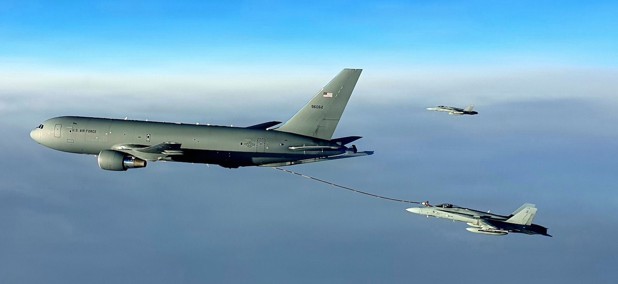
Aerial refueling remains the operational bottleneck of global power projection, dictating the range and endurance of tactical and strategic aviation. Recognizing the extreme vulnerability of human-piloted tanker fleets in contested airspace, the Air Force has begun serious exploration of unmanned refueling platforms. Transitioning control systems to fully autonomous networks would allow the military to sustain long-range bombing and transport missions without risking aircrew lives within heavily defended anti-access zones. The primary barrier to this technological leap is not aerodynamic design, but the staggering complexity of endowing very large aircraft with real-time decision-making autonomy. Unlike smaller surveillance drones, a multi-ton tanker managing aerodynamic turbulence while docking with another aircraft at high altitudes requires fault-tolerant artificial intelligence systems that do not yet exist at scale. The engineering community remains divided over whether to pursue fully autonomous flight controllers or maintain human-in-the-loop oversight from secure ground stations during critical transfer windows. If successful, the deployment of unmanned tankers will fundamentally rewrite modern aerial combat doctrine by decoupling range limitations from human physiological endurance. Adversaries will find it exponentially harder to disrupt strategic supply lines when the critical assets are autonomous, redundant, and capable of evasive maneuvers independent of pilot fatigue. This shift will redirect billions of dollars in defense procurement toward advanced flight control software and secure satellite communication links.
Comments 0