Yemen's Escalating Conflict: Displacement Surges as Houthi Stance Hardens
Fighting in Yemen has intensified, resulting in the displacement of over 320,000 people since early August, according to the World Health Organization. The Houthis have denied targeting Mecca, a claim that complicates diplomatic efforts and signals a hardening of their military posture amidst ongoing regional instability.
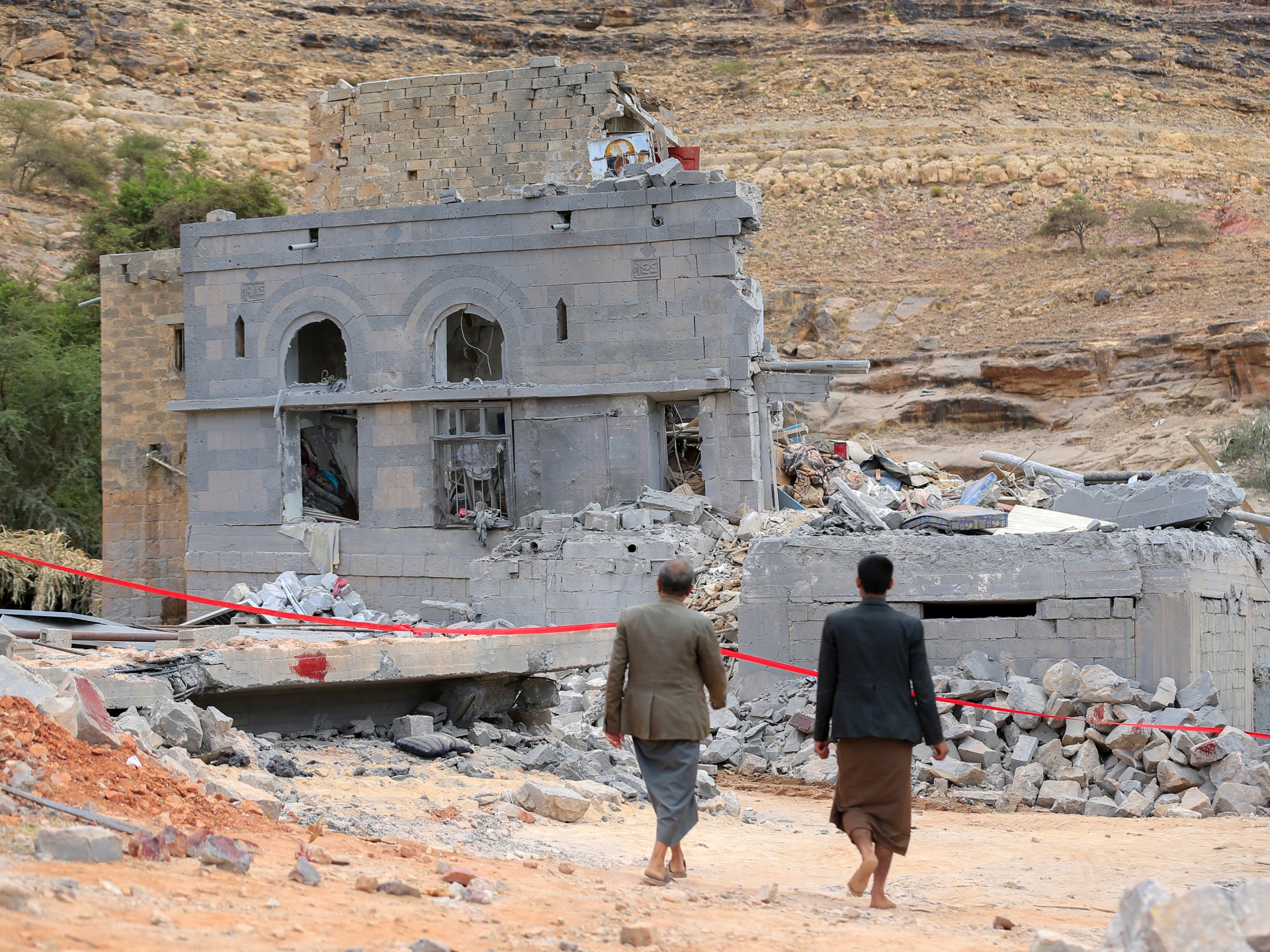
The concrete rupture in the Yemeni conflict is the sharp escalation in hostilities that has forced more than 320,000 individuals from their homes since August 1. This surge in displacement marks a significant deterioration in the humanitarian crisis, straining already fragile aid infrastructure and deepening the social fabric of the region. The Houthis' explicit denial of targeting Mecca serves as a strategic communication tool, attempting to deflect international condemnation while maintaining a credible threat that keeps regional powers on high alert.
The underlying tension is rooted in the complex interplay of local insurgency and broader geopolitical proxy warfare. Institutional friction is evident in the inability of international bodies to enforce ceasefires, leaving the WHO and other agencies to manage the fallout of a conflict that shows no signs of de-escalation. The Houthi leadership's rhetoric reflects a calculated risk, balancing the need to project strength against the danger of provoking a direct, large-scale military response from external actors.
The downstream casualties of this escalation extend beyond immediate combatants to the broader civilian population, who face increased food insecurity and healthcare deficits. The tangible outcome is a prolonged humanitarian emergency that complicates diplomatic negotiations and entrenches the Houthi presence in key strategic areas. Over the next year, the conflict is likely to remain a persistent source of instability in the Red Sea corridor, affecting global shipping and energy markets.
Comments 0