Post‑Diwali Smog Sends Air‑Quality Index Skyward, Hajipur Tops the List
Following the Diwali festivities, several Indian states reported a sharp increase in particulate pollution, with Hajipur in Bihar recording the highest AQI levels. The surge has heightened concerns over public health and prompted calls for stricter emission controls.
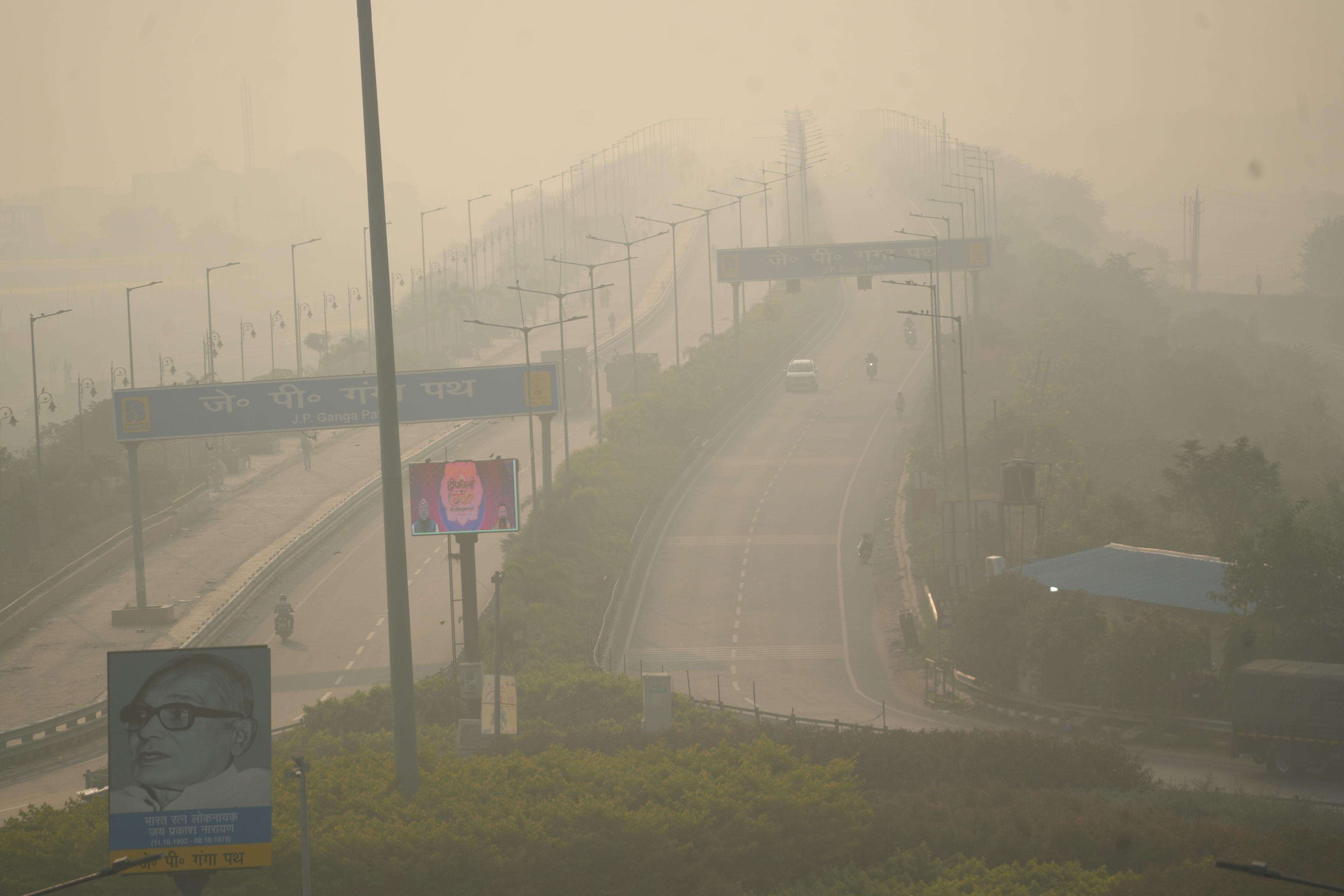
The night sky over much of northern India was illuminated by fireworks, but the celebration left a lingering veil of smog that quickly enveloped urban centres. In Bihar, the city of Hajipur emerged as the worst‑affected, registering an AQI that breached the hazardous threshold, according to local monitoring stations. The spike was attributed to a combination of fire‑cracker residue, vehicular emissions, and stagnant winter winds that trapped pollutants close to the ground.
Health officials warned that sustained exposure to such elevated particulate levels could aggravate respiratory ailments, particularly among children, the elderly, and those with pre‑existing conditions. Hospitals in the region reported a noticeable uptick in admissions for asthma attacks and bronchitis, prompting emergency advisories for residents to limit outdoor activity and use protective masks.
State authorities have announced plans to intensify enforcement of existing fire‑cracker bans and to deploy additional air‑quality monitoring units across vulnerable districts. Environmental NGOs are urging the government to consider a phased reduction of high‑emission fireworks, citing the recent episode as evidence of the public‑health costs associated with unchecked celebrations.
Comments 0