Power workers halt electricity supply in Gurugram and Faridabad, protesting privatisation plan
Electricity employees in Gurugram and Faridabad staged a strike that left thousands without power, protesting the government's decision to privatise distribution. The outage has disrupted households, factories, and essential services, raising questions about the reform's timing.
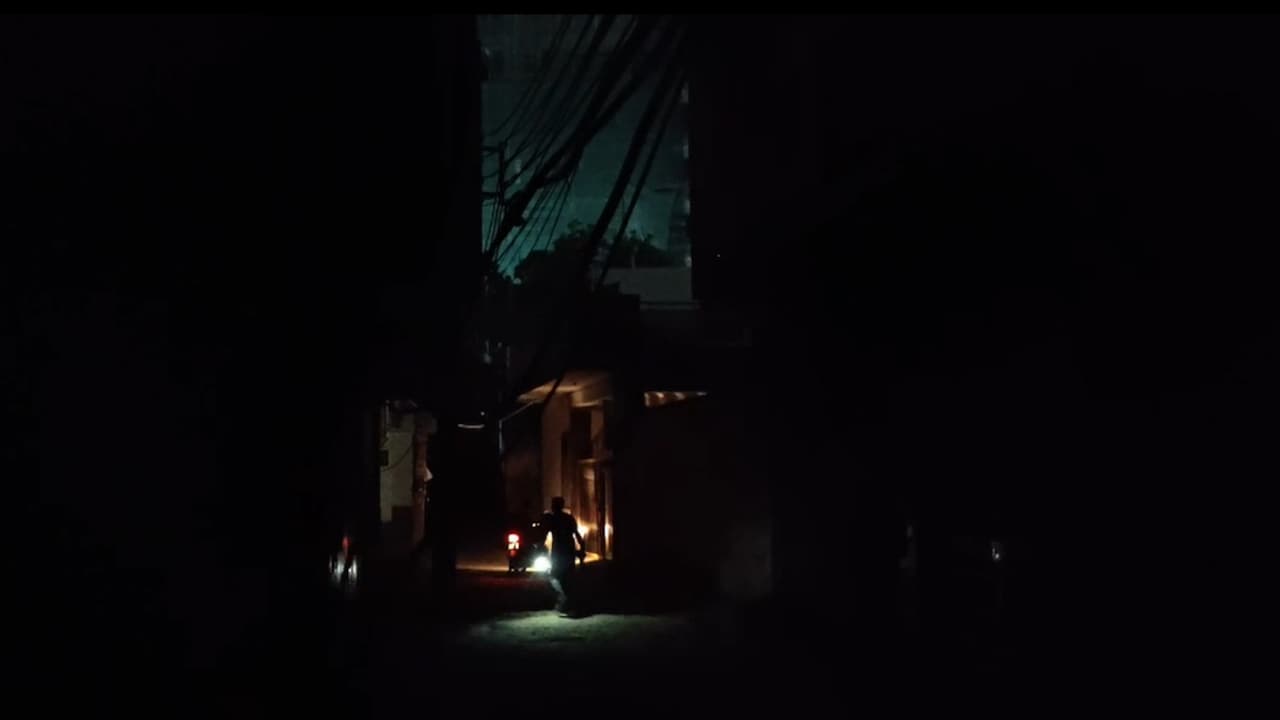
On Tuesday night, thousands of electricity workers belonging to the Delhi‑based union halted power distribution across Gurugram and the neighboring district of Faridabad, plunging residential and commercial zones into darkness. The strike was triggered by the state’s announcement to privatise the distribution network, a plan that the union claims will jeopardise job security and lead to higher tariffs for consumers. Households reported outages lasting up to twelve hours, while factories experienced production delays, prompting managers to invoke backup generators at considerable expense. The disruption also affected traffic signals, hospitals’ non‑critical services, and a slew of digital payment terminals that rely on uninterrupted electricity.
The labour action reflects a broader tension between the central government’s agenda to liberalise the power sector and entrenched public‑sector employees who fear erosion of benefits and loss of control over critical infrastructure. Negotiations with the state electricity board have stalled, with union leaders accusing officials of bypassing statutory consultation processes. Meanwhile, private investors have expressed concern that the unrest could undermine confidence in upcoming bids, potentially delaying the tendering of distribution contracts. Regulatory bodies such as the Central Electricity Authority have been called upon to mediate, but their limited authority over labour disputes adds another layer of complexity to the standoff.
If the strike persists, the immediate fallout will be a surge in consumer complaints, a spike in illegal electricity connections, and a possible rise in arrears as households grapple with intermittent supply. In the longer term, the episode may force policymakers to reconsider the timeline of privatisation, incorporating stronger safeguards for workers and clearer tariff frameworks. The disruption also serves as a cautionary tale for other Indian metros contemplating similar reforms, highlighting the need for comprehensive stakeholder engagement. Ultimately, the power outage could reshape public perception of the privatisation drive, influencing electoral narratives and investment decisions across the nation’s energy .
Comments 0