Prime Minister Modi inaugurates Kashi‑Delhi Vande Bharat sleeper service
The launch of a sleeper‑class Vande Bharat train linking Varanasi and Delhi marked a milestone in high‑speed rail connectivity for northern India. The service promises reduced travel time and a new revenue stream for Indian Railways, while signalling a shift toward premium passenger offerings.
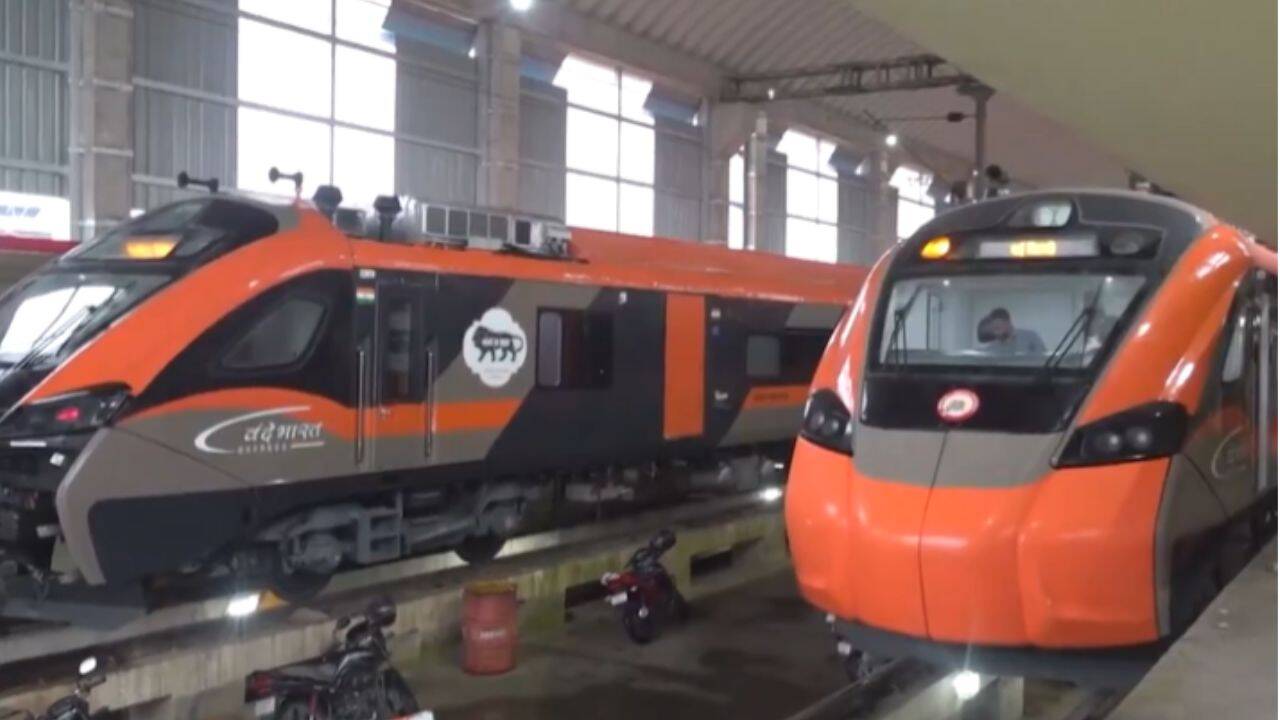
On a crisp autumn day, Prime Minister Narendra Modi stood on the platform of Varanasi Junction to unveil the inaugural run of the Kashi‑Delhi Vande Bharat sleeper train. The sleek, self‑propelled coach, equipped with modern amenities and a dedicated sleeper configuration, departed under a canopy of national flags, drawing a crowd of officials, journalists, and local dignitaries. The ceremony highlighted the government’s commitment to expanding high‑speed rail infrastructure beyond the traditional day‑time services, positioning the sleeper variant as a bridge between affordability and comfort.
The introduction of this service follows years of lobbying by regional leaders who argued that a sleeper option would democratise access to fast rail travel for middle‑income passengers. Indian Railways, grappling with financial pressures, sees the Vande Bharat sleeper as a potential catalyst for higher occupancy rates on long‑distance routes. The train’s schedule, cutting the journey to under eight hours, directly challenges the dominance of air travel on the same corridor, prompting airlines to reassess fare structures.
Early ticket sales have already exceeded projections, suggesting robust demand from both business travelers and families visiting the holy city of Varanasi. In the longer term, the sleeper service could stimulate ancillary economic activity along the route, from hospitality to regional tourism. Observers anticipate that the success of this model may inspire similar deployments on other high‑traffic corridors, reshaping the nation’s rail strategy over the next twelve months.
Comments 0