Pune and Pimpri‑Chinchwad Record Alarming PM2.5 Levels, Exceeding National Limit
Air quality monitors across Pune and its twin city Pimpri‑Chinchwad reported particulate matter concentrations up to 1.8 times the national safe threshold. The spike has intensified calls for stricter emission controls in the region.
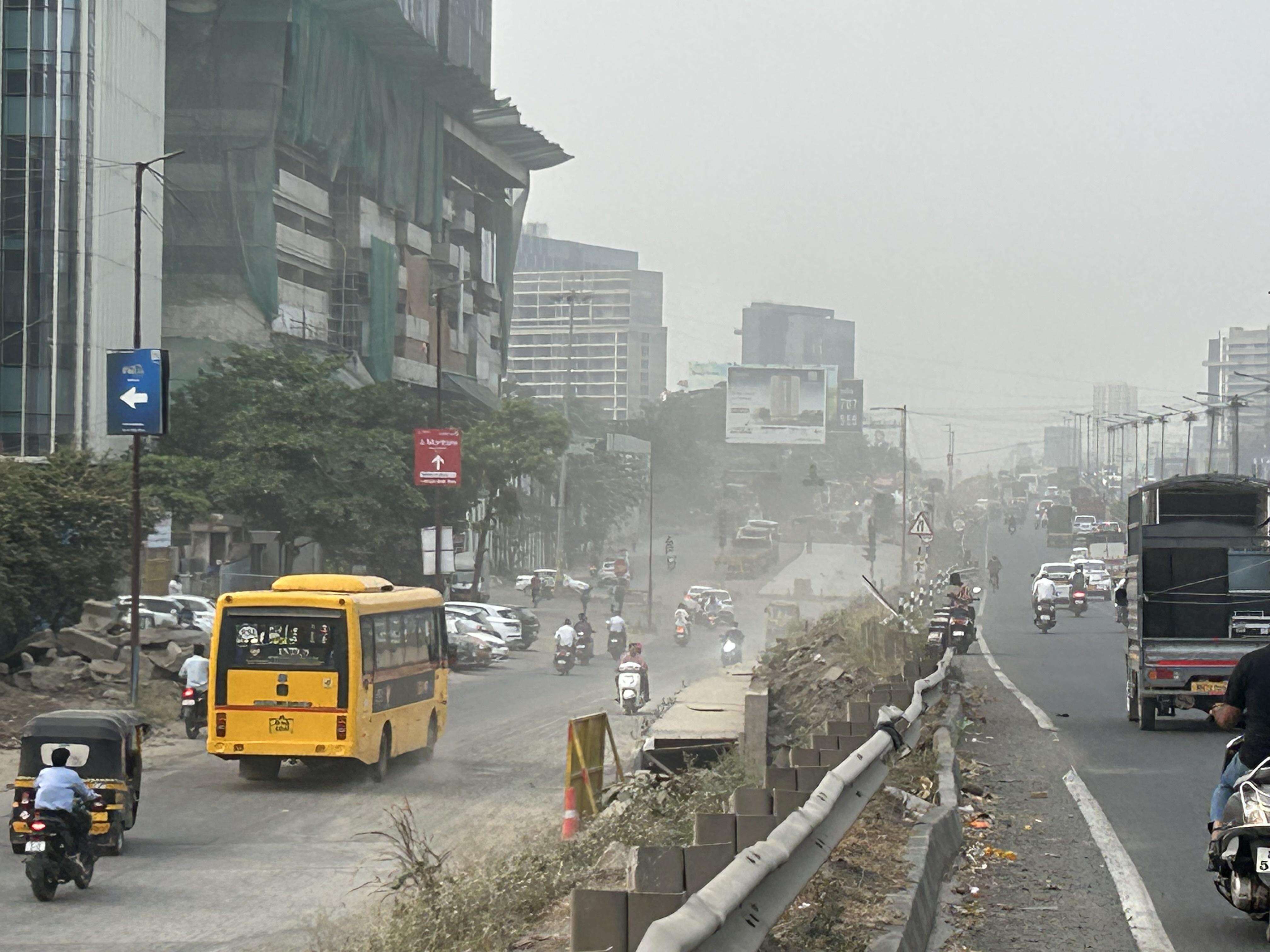
Data released by the Maharashtra Pollution Control Board showed that several monitoring stations in Pune and Pimpri‑Chinchwad logged PM2.5 readings that surpassed the permissible limit of 60 micrograms per cubic metre, with the Wakad station reaching a peak of 108 micrograms. The elevated levels were attributed to a combination of vehicular emissions, construction dust, and a temporary surge in industrial output during the winter months. Health officials warned that prolonged exposure could exacerbate respiratory ailments, particularly among children and the elderly.
The underlying tension stems from rapid urban expansion that has outpaced the development of adequate green buffers and public transport alternatives. Environmental activists argue that the city's growth model relies heavily on private vehicles, while municipal authorities contend that recent initiatives, such as the introduction of electric buses, have yet to produce measurable improvements. The disparity between policy intent and on‑ground reality has fueled public frustration, prompting community groups to organise awareness campaigns and demand stricter enforcement of existing regulations.
The immediate consequences are already visible. Hospitals in the region reported a modest rise in asthma-related admissions, and schools in the most affected zones have considered temporary closures during peak pollution hours. Economically, the poor air quality could deter investment in sectors that prioritize environmental compliance, while also imposing hidden health costs on the workforce. Long‑term, the episode may catalyse a shift toward more sustainable urban planning, including the expansion of low‑emission zones and the promotion of non‑motorised transport corridors.
Comments 0