Punjab farm fires cross 7,000, up 37% from last year
Farm fires in Punjab have exceeded 7,000 incidents this season, marking a 37 percent rise over the same period last year. Authorities have registered 2,139 first information reports in response to the growing threat.
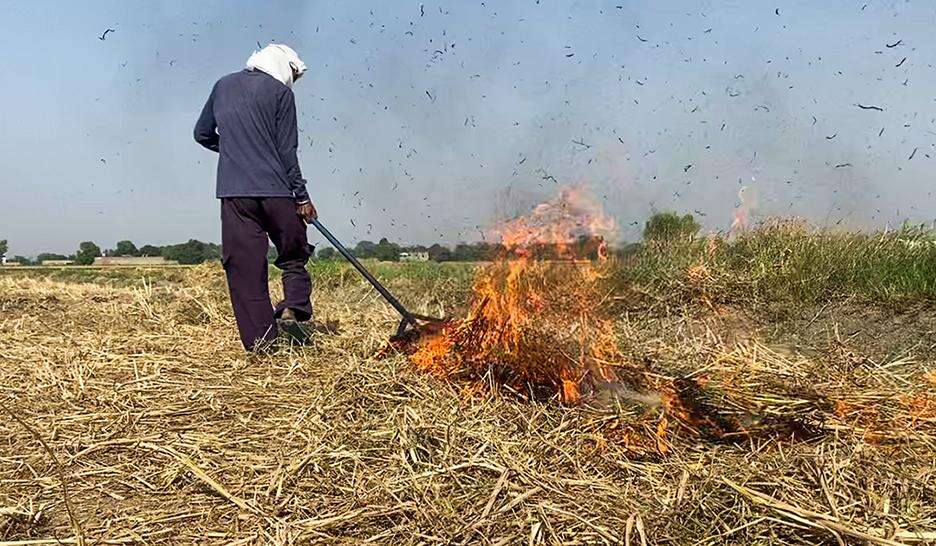
Punjab, a major grain-producing state in northern India, is experiencing an unusually high number of farm fires this year, with reports indicating that more than 7,000 separate incidents have been recorded. The spike represents a 37 percent increase compared to the previous year, a trend that experts attribute to a combination of delayed sowing, residue management challenges, and unusually dry weather conditions that have persisted through the early months of the cropping cycle. The fires not only destroy standing crops but also release smoke that degrades air quality across the region, affecting both rural and urban populations.
In response to the escalating situation, law enforcement agencies have filed 2,139 first information reports, a legal document that initiates formal investigation into each alleged fire. The Punjab police, together with the state agricultural department, have launched a series of inspections aimed at identifying the sources of ignition, enforcing existing regulations on residue burning, and imposing penalties where violations are confirmed. Officials have also announced plans to provide financial assistance to affected farmers, while urging the agricultural community to adopt alternative methods such as in‑field composting and mechanized residue removal to reduce the reliance on open burning.
The surge in farm fires matters to readers across India because Punjab supplies a substantial portion of the nation’s wheat and rice, staples that underpin food security and price stability. Disruptions in the state’s harvest can lead to higher market prices, strain on supply chains, and increased pressure on the central government to intervene. Moreover, the health impacts of prolonged smoke exposure are a growing concern for public health officials, who warn that vulnerable groups such as children, the elderly, and those with respiratory conditions may face heightened risks. Monitoring the situation will help gauge the effectiveness of policy measures and the resilience of the agricultural sector.
Comments 0