Punjab-Haryana Stubble Dispute Ignites Fresh Air‑Quality Battle
A public spat between Punjab and Haryana over responsibility for crop‑residue burning has intensified scrutiny of regional pollution controls ahead of the winter season. Both governments are now deploying separate mitigation plans that could reshape agricultural practices across northern India.
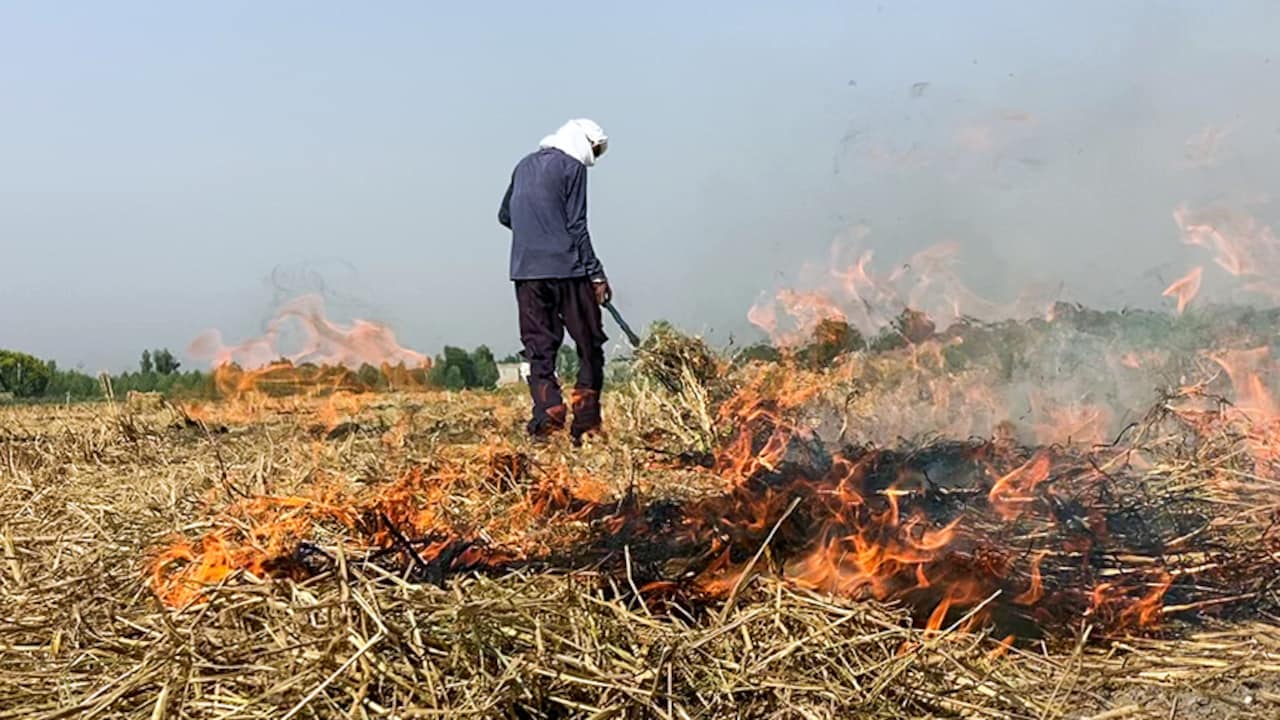
The concrete rupture in this environmental saga began when Punjab officials publicly accused Haryana of allowing open burning of wheat and rice stubble, a practice that releases thick plumes of particulate matter into the atmosphere and contributes to Delhi’s seasonal smog. Haryana responded by highlighting its own crop‑residue management model, which includes subsidised equipment for in‑field incorporation and a schedule of controlled burns that it claims complies with national guidelines. The exchange quickly escalated into a political flashpoint, with each state mobilising media campaigns to defend its agricultural policies.
Underlying tension stems from long‑standing competition for water resources, market access, and political capital among the two states, compounded by the central government's push for stricter air‑quality standards. Institutional friction is evident in the divergent approaches to enforcement: Punjab's agricultural department has begun issuing fines to farmers who burn, while Haryana's environmental agency has launched a series of awareness workshops and distributed low‑cost bio‑decomposer kits. The disagreement has also drawn the attention of the Ministry of Environment, which has warned both states that continued non‑compliance could trigger federal intervention and the suspension of certain subsidies.
The downstream casualties are already manifesting in public health data, with hospitals in Delhi reporting a rise in respiratory admissions as the burning season approaches. Farmers face the prospect of reduced yields if alternative residue‑management techniques prove costly or ineffective, while urban dwellers anticipate prolonged exposure to hazardous air. Over the next year, the dispute is expected to catalyse a shift toward mechanised residue handling, potentially reshaping the agrarian economy of the region and setting a precedent for other Indian states grappling with similar pollution challenges.
Comments 0