Rahul Gandhi's 'Compromised PM' Dig Targets the G3 Summit
The opposition leader's sharp critique of the Prime Minister's participation in the G3 summit frames the event as a capitulation to authoritarian powers rather than a diplomatic achievement. This political maneuvering seeks to delegitimize the government's foreign policy stance and rally domestic support by portraying the executive as subservient to foreign interests.
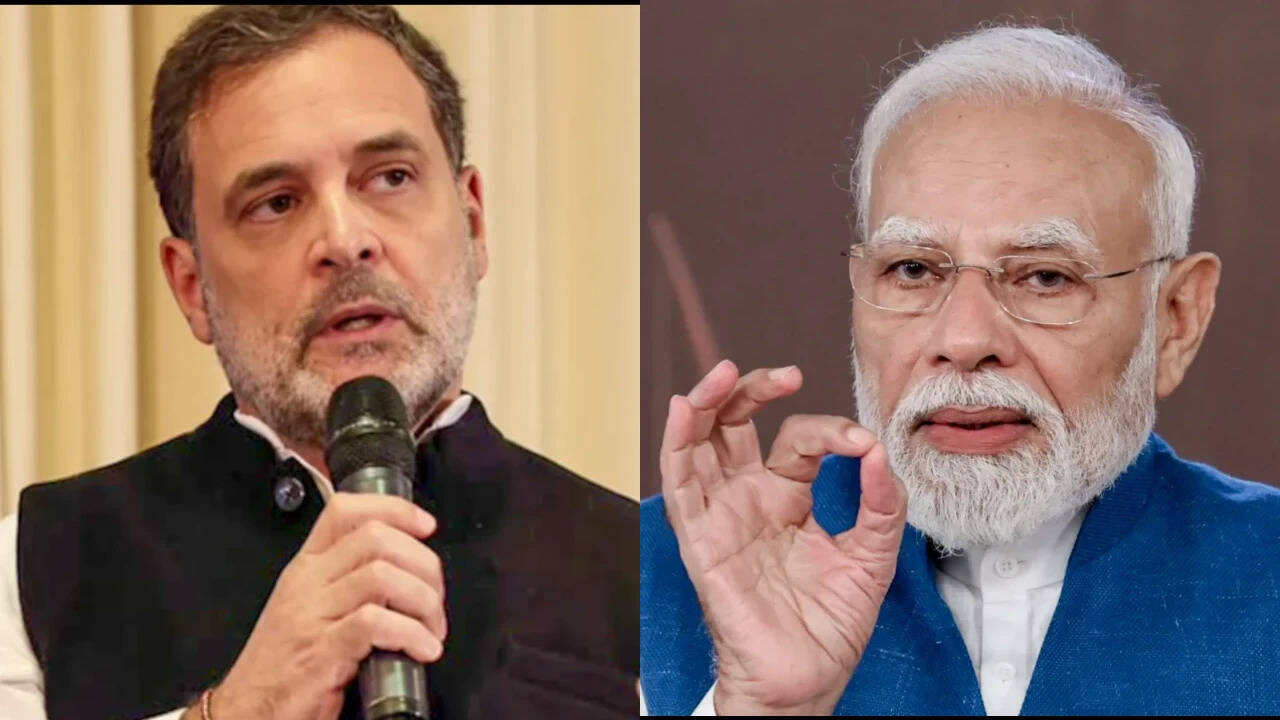
The concrete rupture in the domestic political discourse is the opposition's framing of the G3 summit as a symbol of Indian subservience to authoritarian regimes. This narrative is designed to undermine the government's credibility on the global stage and to position the opposition as the true defender of Indian sovereignty and democratic values. The use of the term 'compromised' is a deliberate attempt to associate the Prime Minister with moral and political weakness, a tactic that resonates with a segment of the electorate that is skeptical of close ties with non-democratic states.
The underlying tension is the ideological divide between the ruling party's pragmatic foreign policy and the opposition's idealistic stance. Institutional friction arises from the differing views on how India should engage with the world, with the government prioritizing economic and strategic interests over ideological alignment, and the opposition emphasizing the importance of democratic values and human rights. This tension reflects the broader challenge of balancing national interest with moral principles in a complex global environment.
The downstream casualties are the diplomatic efforts of the government, which are now subject to domestic political scrutiny and criticism. The tangible outcome is a more polarized political environment where foreign policy is increasingly used as a tool for domestic mobilization. The systemic reverberation is the potential for a shift in public opinion, where the population becomes more aware of the complexities of international relations and the trade-offs involved in foreign policy decisions.
Comments 0