Supreme Court Interrogates Shiv Sena Factions on Dissent Versus Defection
The Supreme Court of India pressed the Uddhav Thackeray faction to articulate the precise constitutional line separating internal party dissent from formal defection. The exchange directly challenges the legal architecture governing political realignments and anti-defection laws within coalition governments.
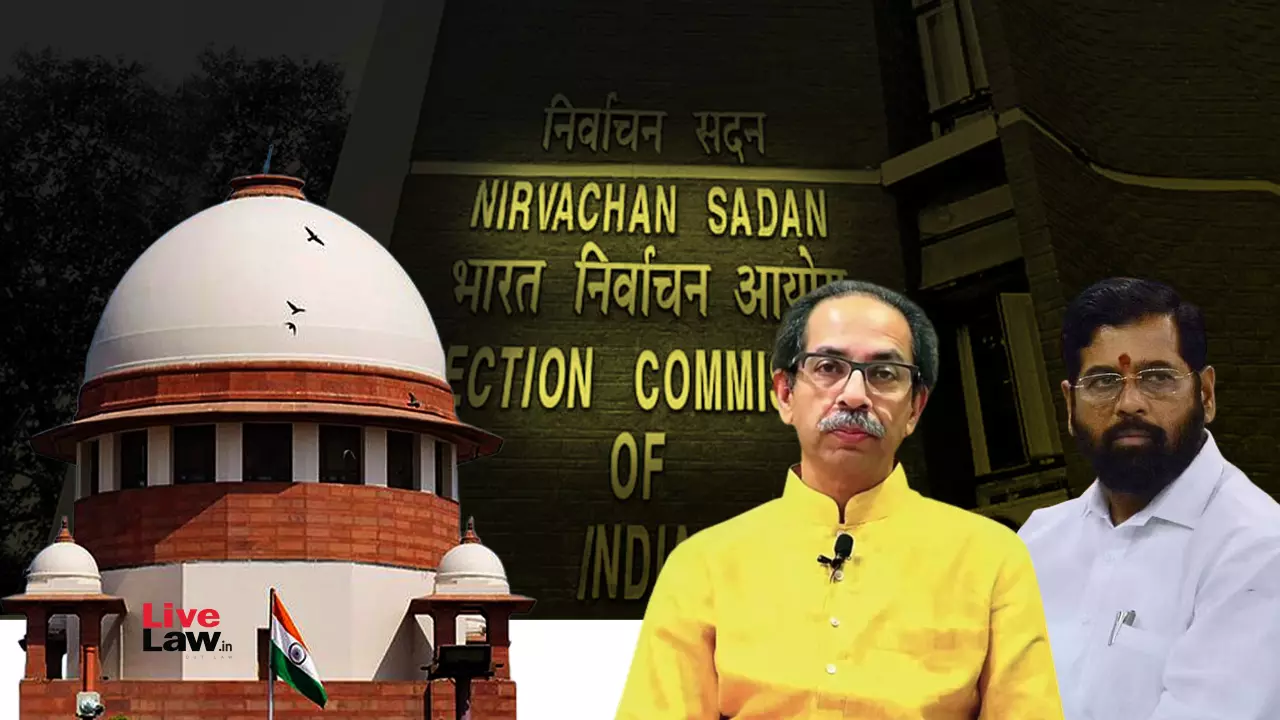
The ongoing legal battle concerning the Shiv Sena political fracture reached a critical juncture as the apex court scrutinized the arguments presented by senior counsel representing the rival camps. The core constitutional puzzle centers on whether opposition to a pre-existing party alliance constitutes legitimate ideological dissent by elected representatives or amounts to unconstitutional defection under the Tenth Schedule. This judicial inquiry goes to the heart of party democracy in India, where internal dissent is frequently suppressed by monolithic leadership structures, yet wholesale floor-crossing threatens the stability of elected governments.
The judicial pressure on the Uddhav Thackeray faction reflects a broader institutional concern regarding the abuse of anti-defection provisions to punish internal party critics while protecting party elites. Legal scholars and political analysts have long argued that anti-defection laws empower party high commands at the expense of ordinary legislators who represent constituent interests. The court must now weigh the autonomy of political parties against the rights of legislators to express collective disagreement with leadership decisions, particularly regarding alliance formations that diverge from pre-poll manifestos.
The outcome of this constitutional scrutiny will redefine the balance of power between party presidents and elected representatives across the national political spectrum. A ruling that narrows the definition of defection could empower dissident factions to challenge entrenched leadership without forfeiting their legislative seats, while a rigid interpretation will further cement authoritarian control within political organizations. For the immediate future of Maharashtra politics, the final verdict will determine the legal legitimacy of the current governing administration and establish a binding precedent for handling party splits nationwide.
Comments 0