Residents Rally Against Pune’s Waste-to-Energy Plant, Citing Health Risks
Residents in Ravet, Pune, have mounted a strong opposition to the proposed waste-to-energy plant, citing concerns over health and pollution. This local resistance highlights the growing tension between urban development goals and community well-being in India’s rapidly expanding cities.
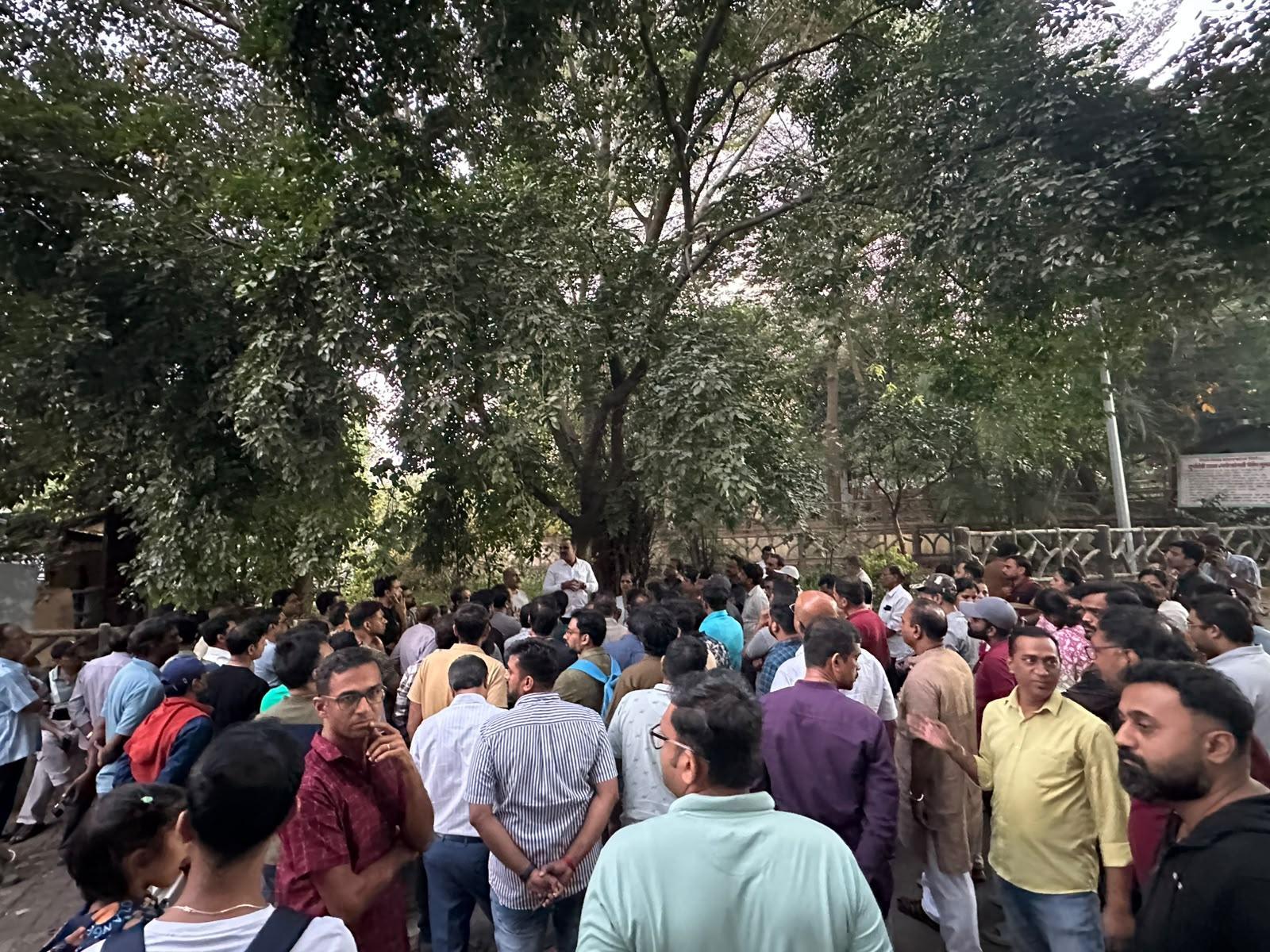
The opposition to the proposed waste-to-energy plant in Ravet, Pune, represents a concrete rupture in the relationship between municipal authorities and local communities. Residents, led by local activists and neighborhood associations, have voiced strong concerns about the potential health risks and environmental impact of the facility. The plant, which aims to convert waste into energy, is seen by opponents as a source of pollution and a threat to the quality of life in the area. This resistance is not merely a protest against a single project but a broader statement about the lack of consultation and transparency in urban planning processes.
The underlying tension in this case reflects the complex challenges of managing waste in India’s rapidly growing cities. As urban populations increase, the volume of waste generated also rises, putting pressure on existing disposal systems. Waste-to-energy plants are often promoted as a sustainable solution, but their implementation is frequently met with resistance due to concerns about emissions, odor, and long-term health effects. The friction between the need for efficient waste management and the desire for a clean and healthy environment is a recurring theme in Indian urban politics, with communities often feeling excluded from decision-making processes that affect their daily lives.
The tangible outcome of this opposition is a potential delay or cancellation of the waste-to-energy project, which could have significant implications for Pune’s waste management strategy. If the plant is not built, the city will need to find alternative solutions for waste disposal, which may be less efficient or more costly. For the residents of Ravet, the success of their campaign could set a precedent for future projects, empowering communities to demand greater transparency and accountability from local authorities. This case also highlights the importance of public participation in urban planning, as it demonstrates the power of collective action in shaping the built environment.
Comments 0