Revenue Enforcement Tightens Across Punjab as State Authorities Detain Over One Hundred Vehicles for Suspected Tax Evasion
The Punjab government has intensified its fiscal enforcement operations, detaining more than one hundred commercial vehicles for alleged Goods and Services Tax violations. This aggressive crackdown aims to plug revenue leakages and enforce compliance across commercial freight corridors.
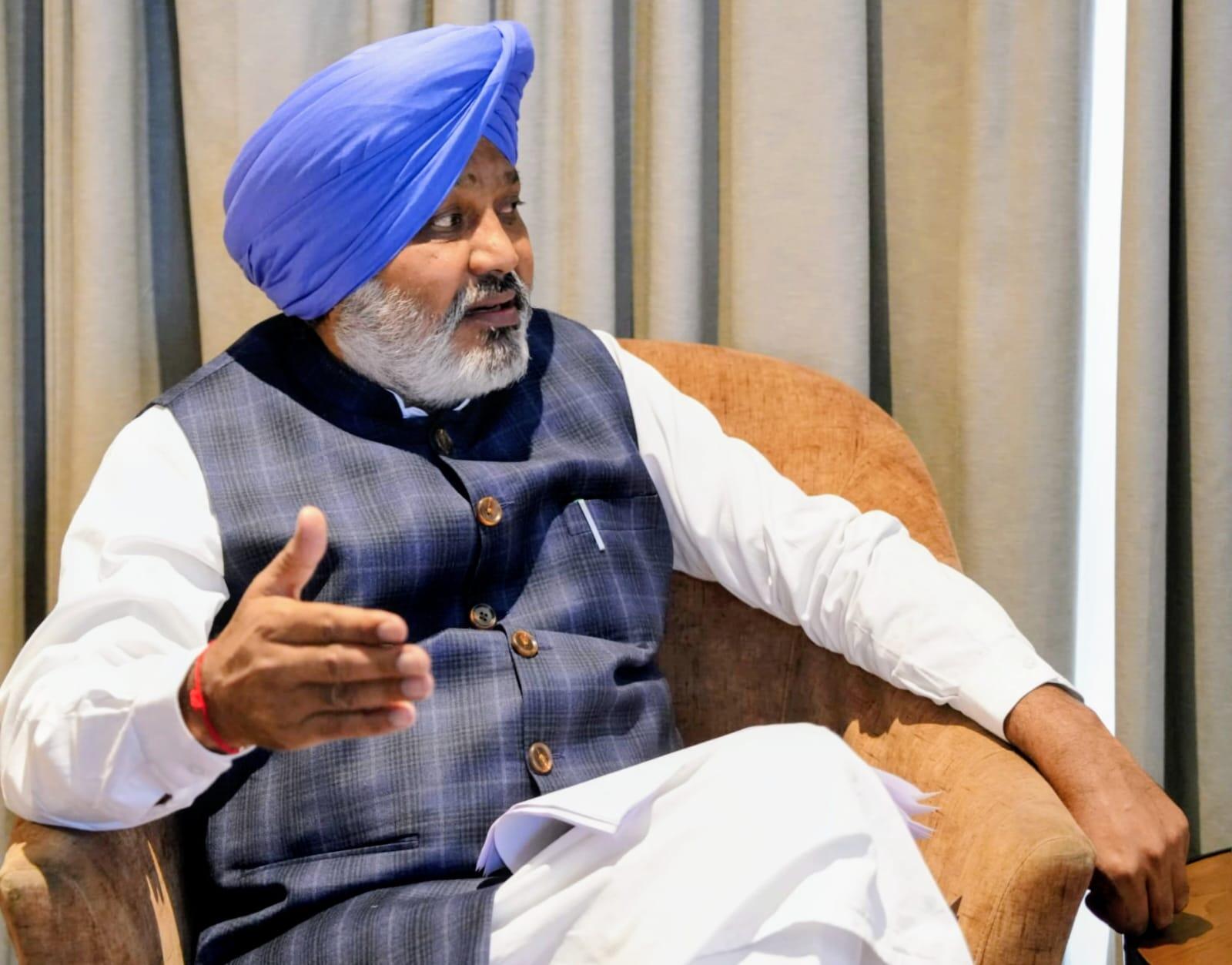
State tax administration in Punjab adopted an uncompromising posture regarding commercial transit as enforcement squads intercepted a massive convoy of cargo trucks suspected of evading statutory duties. Finance officials stated that the operation utilized data analytics to track suspicious movement patterns and undocumented consignments bypassing state check-posts. The targeted enforcement reflects an urgent administrative push to optimize internal revenue collection and counter sophisticated tax avoidance syndicates operating within the logistics sector. This aggressive stance has triggered immediate friction between the state excise department and commercial transport associations, who argue that heavy-handed inspections paralyze legitimate supply chains. Business owners complain that minor documentation discrepancies are treated as deliberate fraud, resulting in punitive detentions that inflict severe financial losses on small and medium enterprises. The standoff exposes the delicate balance tax administrators must maintain between aggressive revenue mobilization and the smooth flow of commercial commerce. The immediate losers in this regulatory sweep are independent logistics operators and small traders caught in administrative limbo without access to their goods. Meanwhile, the state government secures short-term revenue gains while signaling to the commercial sector that tax evasion will face automated and physical interception. Over the next year, this enforcement model will drive an acceleration in digital compliance tracking among regional freight operators seeking to avoid transit delays.
Comments 0