RJD MLA raises alarm over stalled reconstitution of Bihar’s Bodh Gaya municipal council
An opposition legislator in Patna criticised the state for failing to reconstitute the Bodh Gaya municipal council, leaving civic services in limbo. The delay threatens local development projects and fuels political tension ahead of elections.
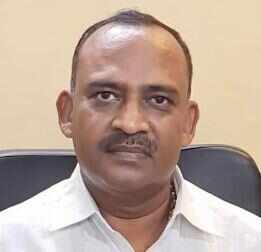
In Patna, RJD legislator Ram Kripal Yadav publicly criticised the state administration for the prolonged delay in reconstituting the Bodh Gaya municipal council, a body responsible for overseeing civic services in the historic pilgrimage town. The council’s term expired months ago, yet the appointment of new members has stalled amid disagreements over the selection criteria and alleged political interference. Local business owners have voiced frustration, noting that the administrative vacuum hampers the issuance of building permits, sanitation contracts, and tourism‑related licences. The impasse has also drawn the attention of state media, which has highlighted the council’s inactivity as a symptom of broader governance challenges.
The deadlock pits the ruling Janata Dal (United) government against opposition parties that accuse it of using the council’s vacancy to consolidate electoral advantage ahead of the 2027 state elections. State officials argue that the delay is procedural, citing the need for a transparent vetting process, while opposition leaders claim the process is deliberately obstructed to favour allies of the incumbent chief minister. The controversy has sparked debates within the Bihar Legislative Assembly, where members have called for a swift resolution to prevent further erosion of public services. The situation also underscores the fragile balance between state‑level political calculations and the functional autonomy of local bodies.
Should the stalemate continue, Bodh Gaya’s municipal operations risk further deterioration, potentially affecting the town’s capacity to host the annual Buddhist pilgrimage that draws millions of visitors each year. A prolonged governance gap could also delay critical infrastructure projects, such as road upgrades and waste‑management systems, thereby impacting local employment and revenue streams. Moreover, the episode may influence voter sentiment in the region, as constituents assess the effectiveness of their representatives in delivering essential services. In the broader context, the delay could set a precedent for other districts in Bihar, prompting calls for legislative reforms to streamline municipal reconstitution procedures and safeguard against political manipulation.
Comments 0