Russian corvette Merkury ablaze in Benghazi after suspected Ukrainian drone strike
A Russian corvette docked at the Benghazi naval base in Libya was struck by suspected Ukrainian sea drones, resulting in a significant fire and substantial damage to the vessel. The incident marks a notable expansion of the conflict's geographical reach, demonstrating the ability of unmanned systems to threaten naval assets far from the primary theater of war.
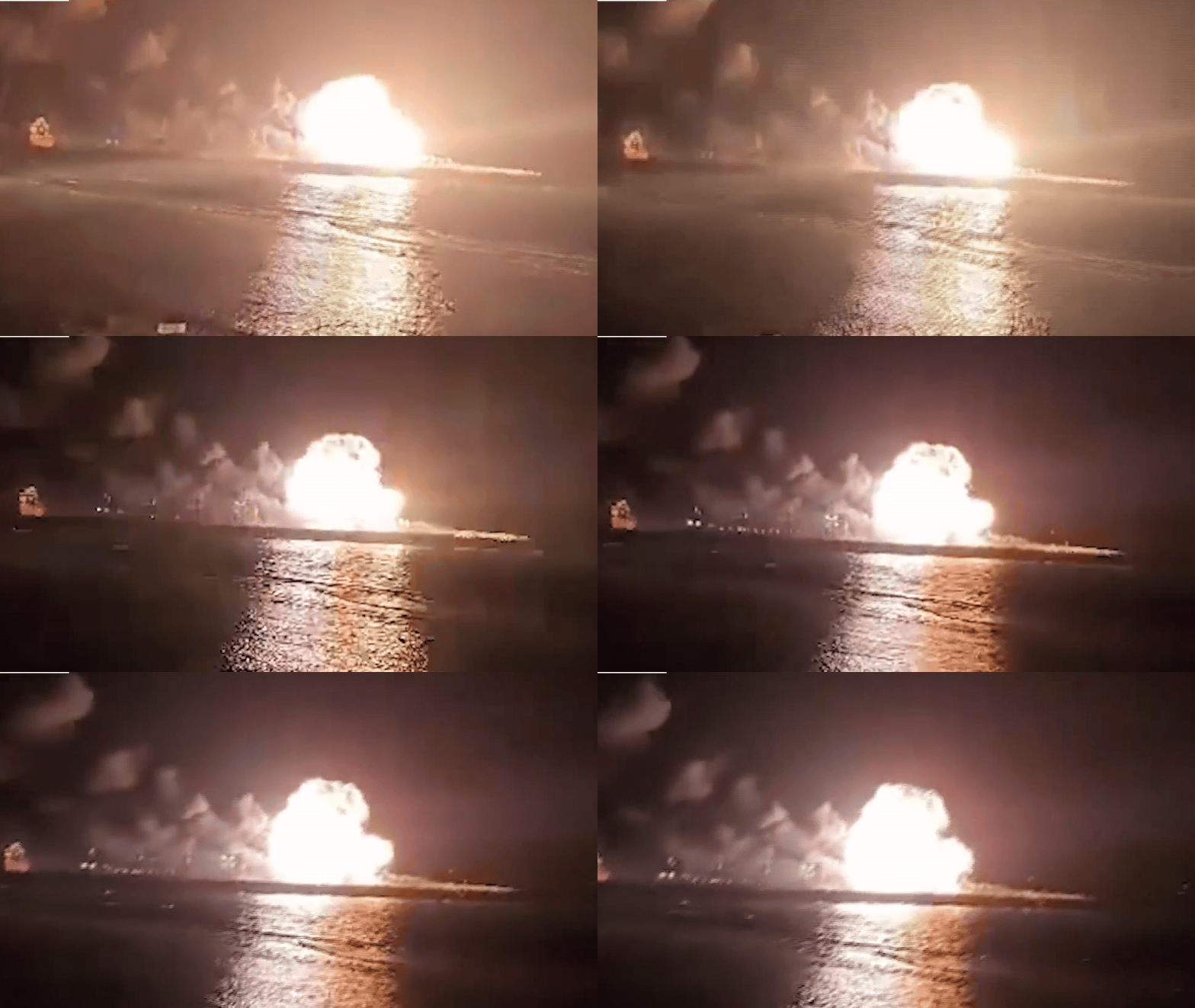
The concrete rupture in the ongoing conflict was marked by the sudden ignition of the Russian corvette Merkury while it was moored at the Benghazi port in Libya. Reports indicate that two unmanned aerial or sea vehicles successfully breached the perimeter and struck the vessel during refueling operations. The resulting fire caused considerable damage, forcing a rapid response from local authorities and highlighting the vulnerability of naval assets even when they are not actively engaged in combat at sea.
This event underscores the underlying tension regarding the global reach of modern asymmetric warfare. The use of drones to target a high-value naval asset in a third country signals a strategic shift, where the battlefield is no longer confined to the Black Sea or the Eastern European front. It suggests that the conflict has evolved into a broader contest of technological endurance and logistical security, where the safety of assets in allied or neutral ports is no longer guaranteed.
The downstream casualties of this incident extend beyond the physical damage to the ship. It introduces a new layer of risk for international shipping and naval operations in the Mediterranean and North African regions. Nations maintaining a presence in the region must now reassess their defensive postures against drone threats, leading to increased military expenditure and a heightened state of alert that affects regional stability and trade routes.
Comments 0