SAD and BJP Seal Alliance in Punjab, Reshaping Regional Power Dynamics
A strategic alliance between the Shiromani Akali Dal and the Bharatiya Janata Party has been formalized, signaling a significant shift in Punjab’s political . This partnership, brokered by high-level negotiations, aims to consolidate power but leaves the precise distribution of seats unresolved.
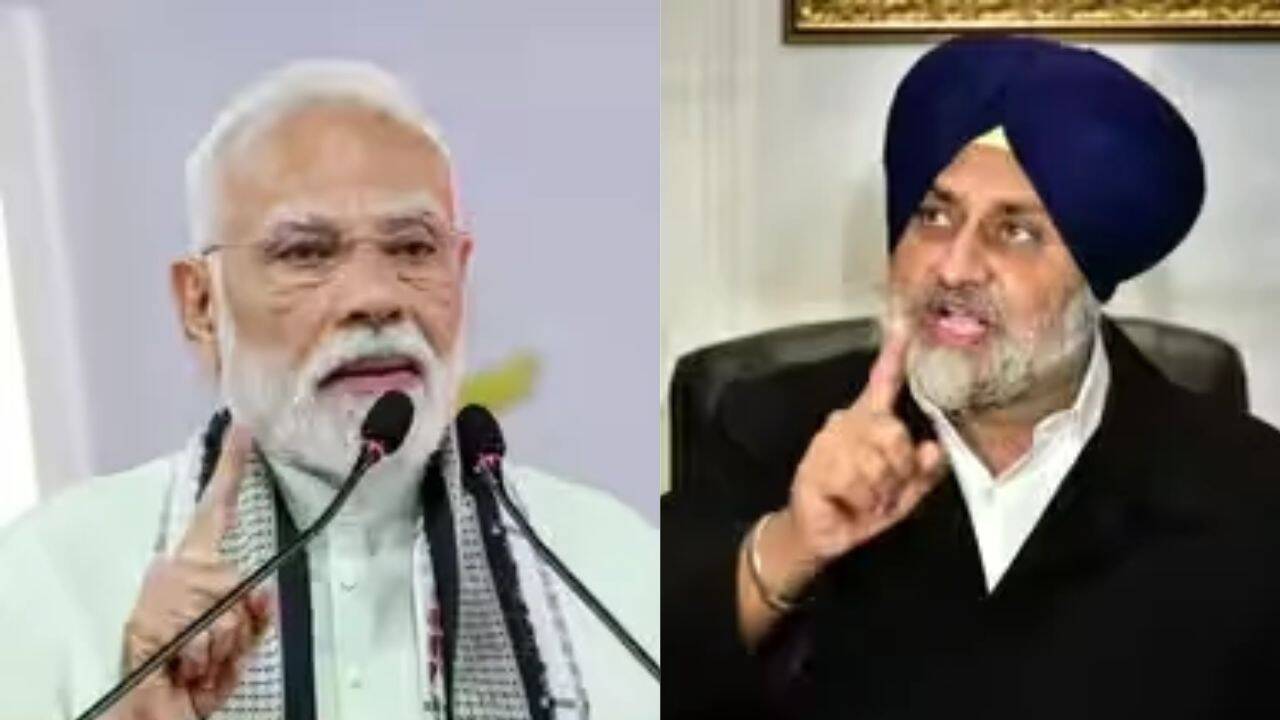
The concrete rupture in Punjab’s political order is the formalization of an alliance between the Shiromani Akali Dal (SAD) and the Bharatiya Janata Party (BJP). This agreement, reached under the nudge of Prime Minister Narendra Modi, marks a decisive break from previous political alignments and sets the stage for a new power structure in the state. The deal is not merely a tactical move but a strategic realignment that seeks to unify two major political forces against a common opposition. The immediate shockwave is the potential consolidation of their electoral base, which could significantly alter the balance of power in the upcoming elections.
The underlying tension in this alliance is the unresolved question of seat distribution. While the partnership has been sealed, the specific equation of how many seats each party will contest remains a point of contention. This friction highlights the complex negotiations that underpin such political pacts, where ideological alignment must be balanced against pragmatic electoral calculations. The institutional friction is further compounded by the historical dynamics between the two parties, which have often been rivals. The current deal represents a temporary truce, with both parties seeking to maximize their influence while minimizing their vulnerabilities.
The downstream casualties of this alliance are the smaller political parties and independent candidates who may find their space squeezed by the combined strength of SAD and BJP. The tangible outcome is a more polarized political environment, where the binary choice between the allied parties and the opposition becomes the dominant narrative. This shift could lead to a more centralized form of governance, with the allied parties wielding greater control over state policies. The long-term impact on Punjab’s political culture will be a test of whether this alliance can sustain itself beyond the immediate electoral cycle, or if it will dissolve under the pressure of internal disagreements.
Comments 0