ServiceNow Faces Record Market Rejection Amidst AI Valuation Scrutiny
ServiceNow shares are poised for their largest single-day drop in history following a Q3 earnings report that failed to meet investor expectations. The market's harsh reaction underscores a growing skepticism toward the premium valuations assigned to enterprise software firms in the AI era.
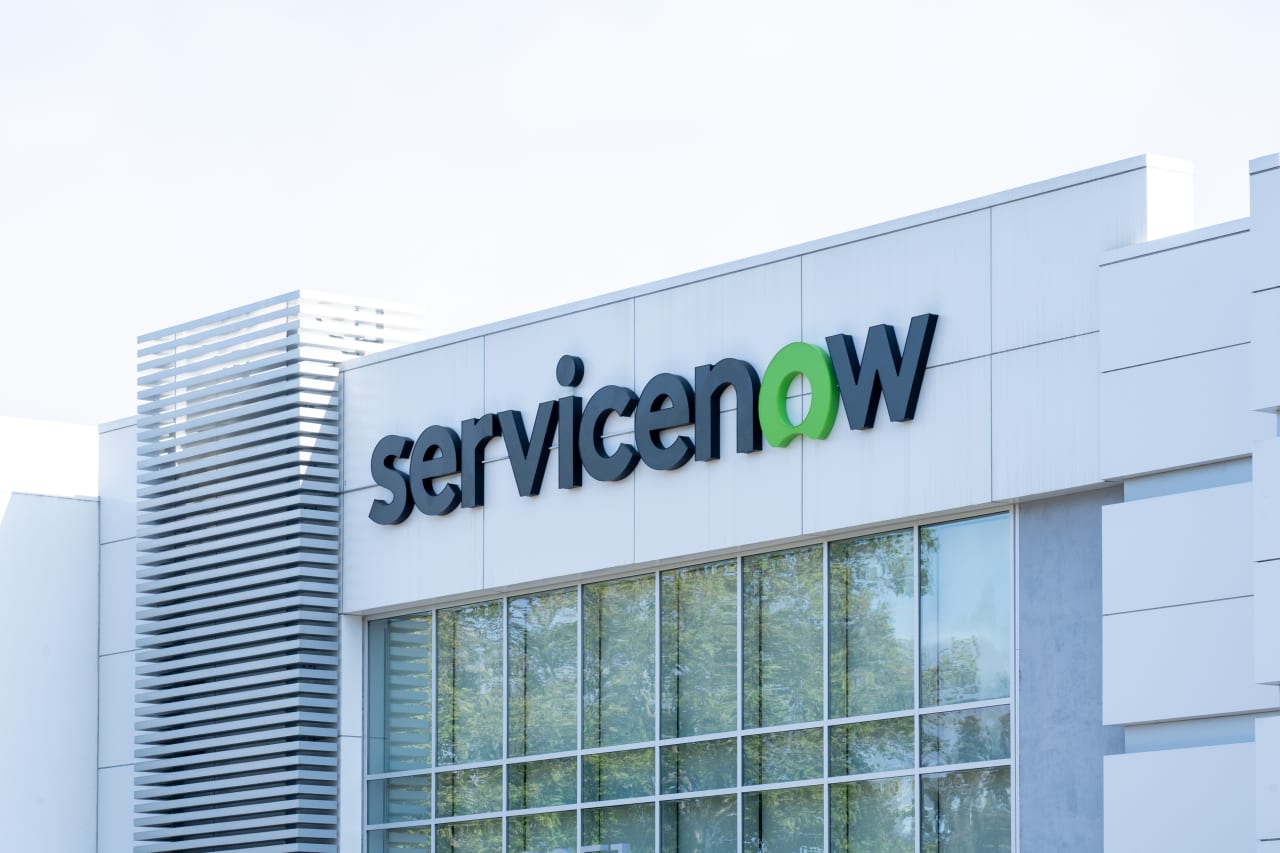
The financial markets have delivered a stark verdict on the sustainability of high-growth software valuations, as ServiceNow's stock price plunged nearly 18% in premarket trading. This sharp decline, which is on track to become the company's largest drop on record, was triggered by a third-quarter earnings report that failed to satisfy the lofty expectations set by investors. The immediate shockwave is a significant erosion of shareholder wealth and a visible crack in the armor of the enterprise software sector, which has been a primary driver of the recent tech bull run.
The underlying tension here is not merely about one company's quarterly performance but about the broader institutional friction between the narrative of artificial intelligence transformation and the reality of revenue generation. Investors have been willing to pay premium multiples for companies promising AI-driven efficiency, but ServiceNow's results suggest that the translation of AI hype into tangible, scalable revenue is slower and more difficult than anticipated. This creates a friction point where the capital markets are beginning to demand proof of concept rather than vision, signaling a shift from speculative enthusiasm to fundamental scrutiny.
The downstream casualties of this market correction extend beyond ServiceNow's balance sheet. The decline serves as a warning shot to other high-flying tech firms, potentially triggering a broader revaluation of the sector. For institutional investors, this event forces a reassessment of portfolio risk, as the correlation between AI announcements and stock performance is being tested. The tangible outcome is a more disciplined market environment where growth must be backed by earnings, leading to a potential consolidation phase in the software industry as weaker players struggle to maintain their valuations.
Comments 0