SP Launches 2027 Manifesto Centered on PDA and Constitutional Values
The Samajwadi Party has unveiled its manifesto for the 2027 elections, placing the Prevention of Domestic Abuse Act and the Indian Constitution at the forefront of its platform. This strategic pivot aims to appeal to the common man by emphasizing legal protections and constitutional rights, signaling a shift in the party's electoral strategy.
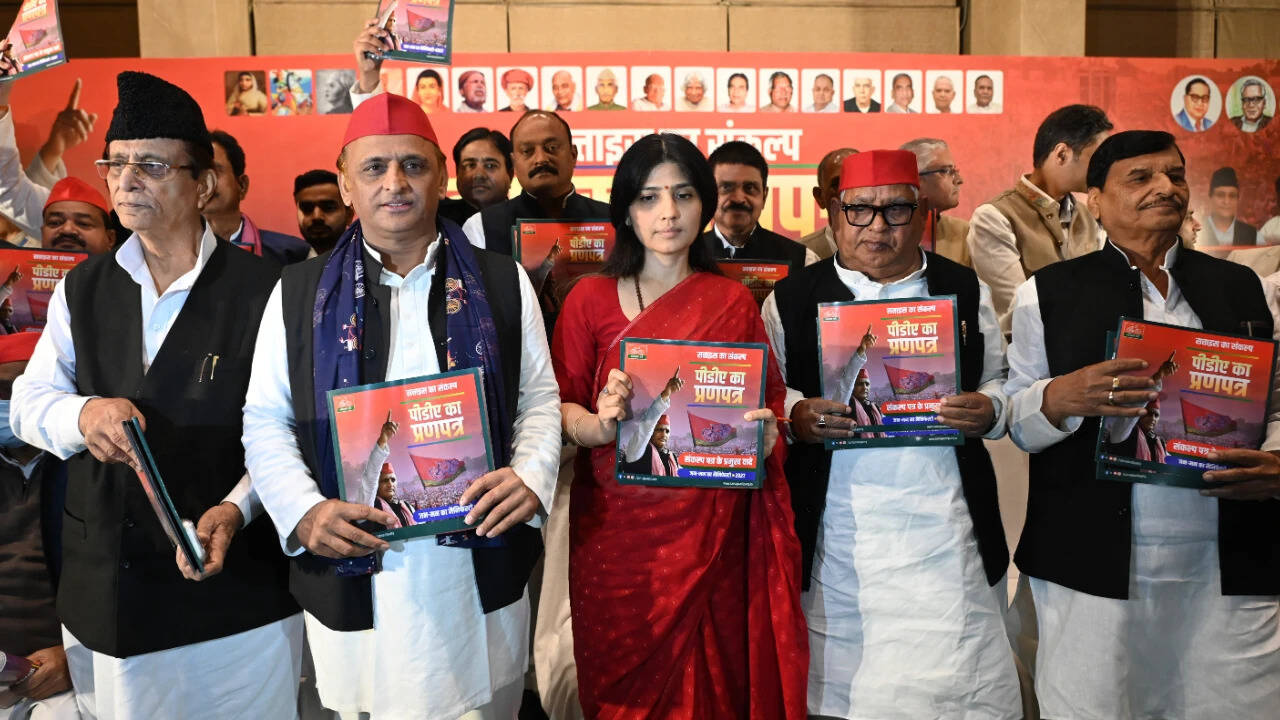
The Samajwadi Party's launch of its 2027 manifesto marks a deliberate attempt to reposition itself in the political of Uttar Pradesh. By highlighting the Prevention of Domestic Abuse Act and the Indian Constitution, the party is seeking to connect with voters on issues of social justice and legal rights. This is a strategic move to differentiate itself from the ruling party, which has often been criticized for its approach to social issues. The manifesto, termed as the 'common man's wish list,' is designed to resonate with the everyday concerns of the electorate, focusing on economic stability and legal protections.
The underlying tension in this political maneuver is the competition for the vote of the middle class and the urban population, who are increasingly concerned about legal and social issues. The SP's emphasis on the PDA and the Constitution is a response to the growing awareness of these issues among voters. The friction here is between the traditional agrarian base of the party and its new urban, socially conscious voter base. This shift in strategy reflects the changing demographics of Uttar Pradesh and the need for political parties to adapt to the evolving concerns of the electorate.
The downstream consequences of this manifesto will be felt in the party's internal dynamics and its electoral performance. The tangible outcome is a clearer definition of the party's platform, which may help it to attract new voters and retain its existing base. The broader impact is a more focused political debate on social and legal issues, which could lead to a more informed electorate. This move will likely force other parties to also address these issues in their manifestos, leading to a more substantive political discourse in the state.
Comments 0