CM DK Shivakumar Instructs ASHA Workers to End Strike, Rejects Government Threats
Karnataka Chief Minister DK Shivakumar has directed ASHA workers to end their strike, stating that threats and blackmail will not succeed against the government. This firm stance highlights the ongoing tension between the state government and its health workers over working conditions and compensation.
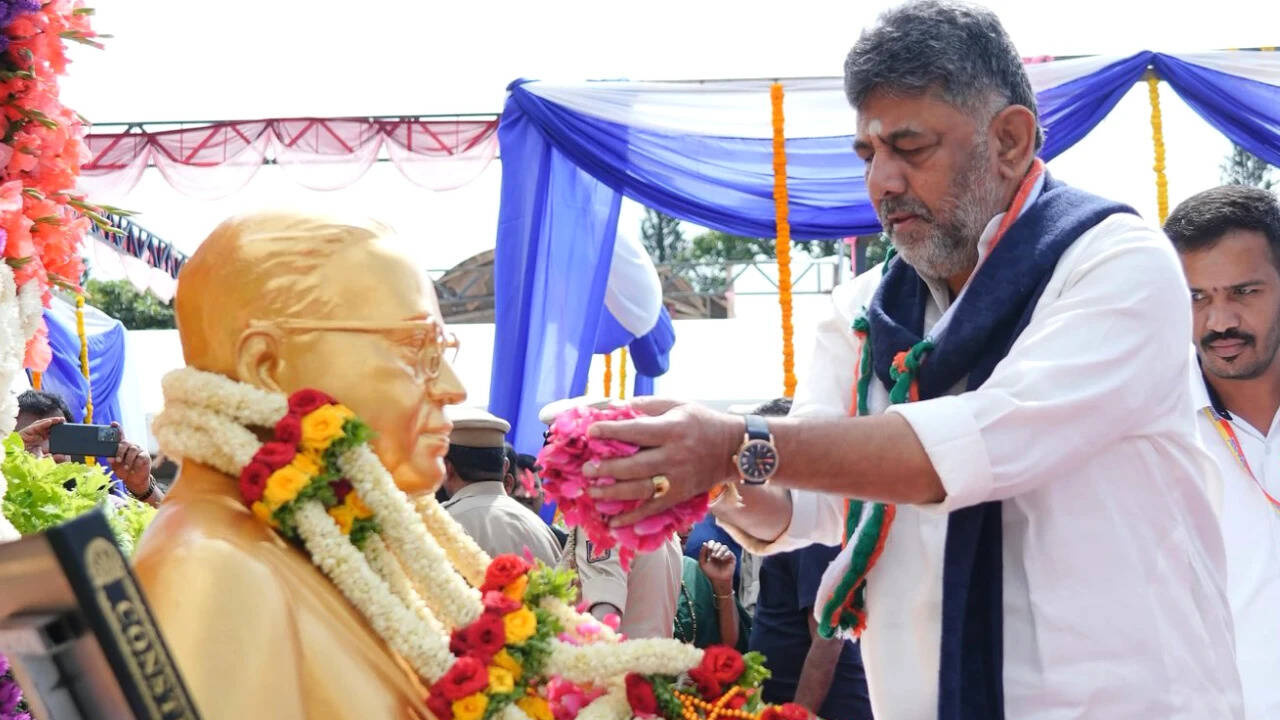
The directive from Chief Minister DK Shivakumar to ASHA workers to end their strike is a clear assertion of the state government's authority. The CM's statement that threats and blackmail will not work is a response to the workers' demands for better working conditions and compensation. This is a significant moment in the relationship between the state and its health workers, who play a role in the delivery of public health services. The government's firm stance indicates that it is not willing to make concessions that it views as unreasonable, and it is prepared to take legal action if the strike continues.
The underlying tension in this dispute is the balance between the government's fiscal constraints and the workers' demands for fair compensation. ASHA workers are on the front lines of public health, and their strike has a direct impact on the delivery of healthcare services. The friction here is between the government's need to manage its budget and the workers' need to sustain their livelihoods. This dispute is part of a larger trend of labor unrest in the public sector, where workers are increasingly demanding better terms and conditions.
The downstream consequences of this strike will be felt in the health sector, where the absence of ASHA workers will affect the delivery of essential services. The tangible outcome is a potential increase in the cost of healthcare for the public, as the government may need to hire temporary staff to fill the gap. The broader impact is a heightened awareness of the importance of public health workers and the need for a fair and sustainable compensation structure. This dispute will likely lead to a more robust dialogue between the government and the workers, potentially resulting in a new agreement that addresses the concerns of both parties.
Comments 0