Spain's General Strike: The Erosion of Living Standards and the Rise of Social Unrest
Spain has witnessed its first general strike in 14 years, with protesters clashing with police over soaring housing costs and eroding purchasing power. The unrest highlights a deepening social crisis driven by economic inequality and the failure of political institutions to address the needs of the working class.
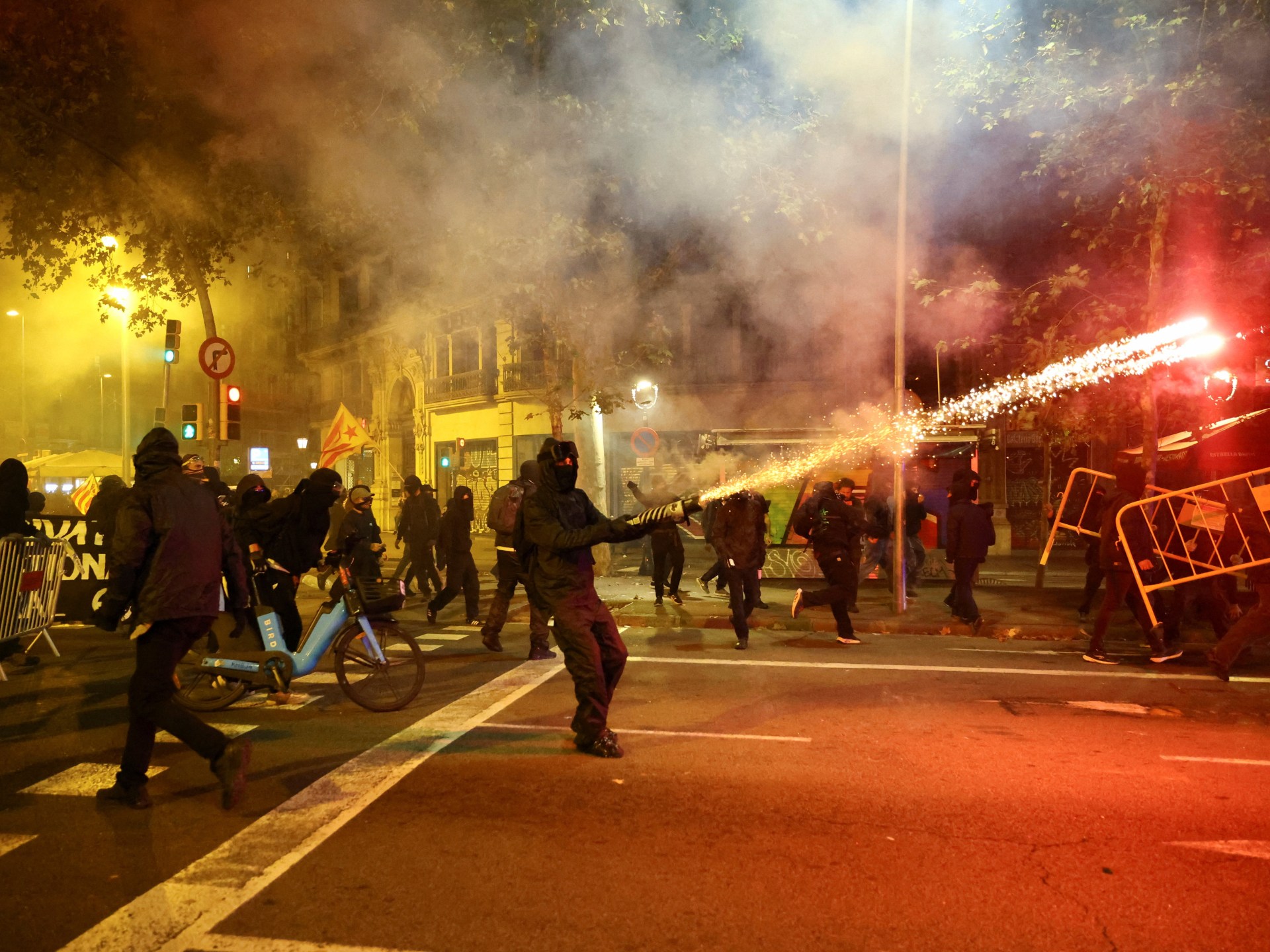
The concrete rupture was the eruption of a general strike in Spain, the first in 14 years, characterized by violent clashes between protesters and police. The strike was triggered by widespread anger over housing affordability and the erosion of purchasing power, issues that have become increasingly acute in the country. The protests, which took place in major cities, saw demonstrators taking to the streets to demand action from the government. The clashes with police, who deployed riot gear and tear gas, underscored the intensity of the social unrest and the determination of the protesters to be heard. The strike disrupted public services and transportation, highlighting the scale of the disruption and the depth of the discontent.
The underlying tension in Spain is rooted in a deepening social crisis, driven by economic inequality and the failure of political institutions to address the needs of the working class. The housing crisis, exacerbated by rising prices and a shortage of affordable housing, has become a major source of frustration for many Spaniards. The erosion of purchasing power, due to inflation and stagnant wages, has further compounded the problem, making it difficult for many to make ends meet. The political establishment, perceived as out of touch with the realities of ordinary life, has failed to implement effective policies to address these issues. This has led to a growing sense of disillusionment and a willingness to resort to more radical forms of protest.
The downstream consequences of the general strike are likely to be significant. In the short term, it may lead to increased pressure on the government to implement policies to address the housing crisis and improve living standards. The strike may also have implications for the political , with opposition parties potentially gaining support from the discontented working class. In the long term, the success or failure of the strike will depend on its ability to bring about meaningful change. If the government fails to respond effectively, it could lead to further social unrest and a deepening of the political crisis. The strike also highlights the need for a more inclusive and equitable economic model, one that addresses the needs of all citizens, not just the wealthy elite.
Comments 0