Strait of Hormuz Oil Flows Collapse to Single Digits Amid Escalating Regional Security Threats
Only nine commodity carriers successfully navigated the Strait of Hormuz on Thursday, marking a severe operational bottleneck in global energy transit. This unprecedented reduction in tanker throughput threatens immediate supply shocks and surging crude prices across international markets.
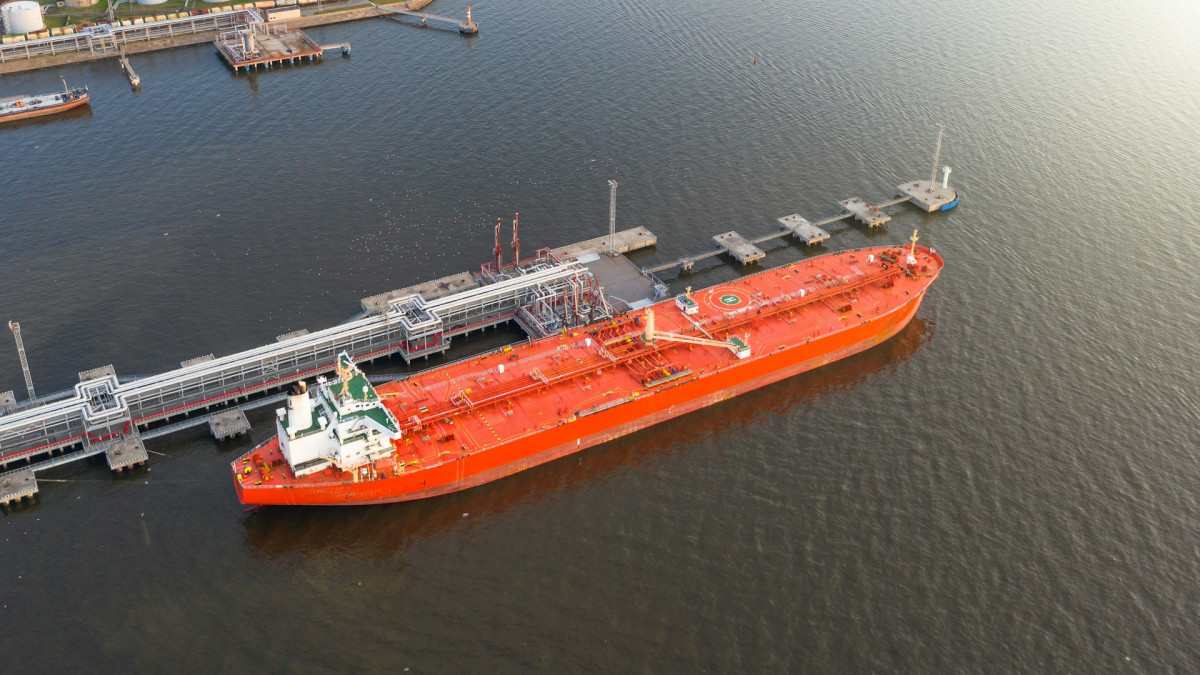
The global energy trade experienced a profound disruption as commercial maritime traffic through the vital Strait of Hormuz dwindled to a near-total standstill. Maritime tracking reports confirmed that a mere nine vessels cleared the strategic chokepoint, with eight moving outward and only a solitary carrier entering the Persian Gulf corridor. This dramatic contraction reflects escalating threat perceptions among shipowners, insurers, and commodity traders who refuse to expose multi-million dollar assets to asymmetric regional hostilities. For decades, this narrow marine highway has served as the circulatory system for a significant fraction of the world's petroleum supply. The sudden drop in transit volume exposes the extreme vulnerability of maritime choke points to geopolitical friction and naval posturing. Energy conglomerates and shipping consortia are locked in tense risk assessments, weighing astronomical freight and insurance premiums against the physical peril of traversing waters shadowed by military escalation. Regulatory bodies and international maritime organizations have issued urgent advisories, yet sovereign guarantees have failed to restore confidence among commercial operators. Downstream repercussions are already rippling through global financial centers as refiners scramble for alternative supply routes and spot prices react to artificial scarcity. Net importers across Asia and Europe face imminent inflationary pressures on refined products, threatening industrial output and consumer purchasing power. Unless diplomatic channels or naval escorts manage to alter the risk calculus for shipmasters, the structural constriction of Persian Gulf exports will permanently alter the economics of maritime logistics.
Comments 0