Strategic Energy Realignment Amid Regional Infrastructure Vulnerabilities
Saudi Arabia has concluded a strategic agreement with Singapore to store crude oil reserves in underground commercial caverns following persistent security threats to domestic energy infrastructure. This cross-continental arrangement underscores the growing imperative for major petroleum exporters to diversify supply chain logistics away from volatile geopolitical zones.
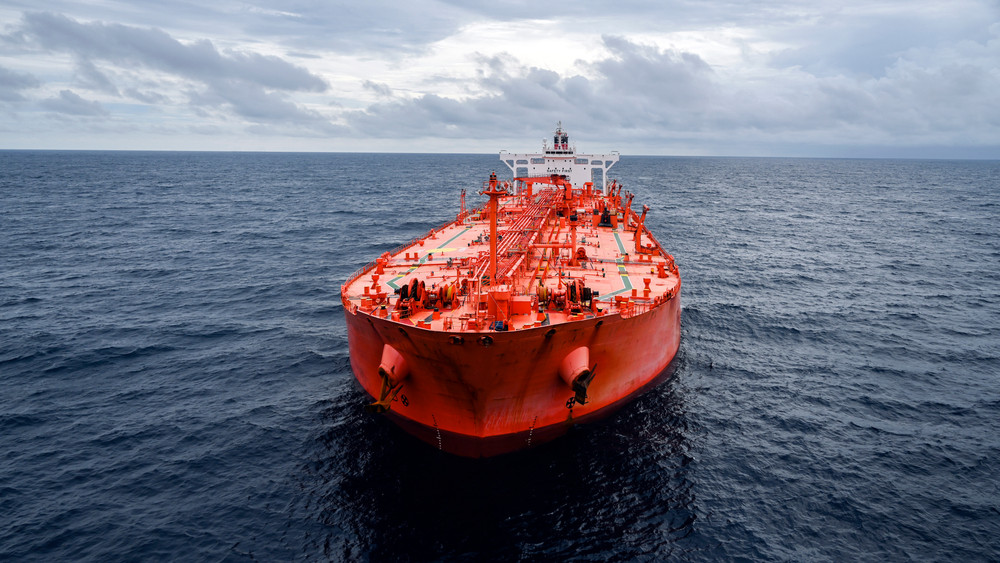
The energy markets witnessed a significant strategic pivot as state-backed petroleum entities in the Persian Gulf finalized contracts for secure storage capacity within the island nation of Singapore. This logistical maneuver directly follows a series of coordinated security disruptions targeting critical processing facilities and export terminals in the Middle East. Energy ministers recognized that relying exclusively on domestic storage facilities exposed global supply chains to unacceptable levels of physical vulnerability and regional conflict risks.
Singapore, leveraging its sophisticated subterranean infrastructure and status as a neutral maritime trading hub, offered an ideal sanctuary for securing strategic petroleum reserves far from immediate conflict theaters. The bilateral arrangement allows the exporting nation to maintain continuous liquidity and supply assurance for Asian consumer markets even when domestic export hubs face temporary shutdowns. Financial analysts noted that the deal effectively institutionalizes a decentralized storage model, transforming regional trading hubs into vital shock absorbers for international commodity markets.
The downstream consequence of this agreement is a permanent elevation of storage costs and a fundamental re-engineering of global oil logistics networks. Major petroleum producers will increasingly prioritize geographic diversification over localized concentration, altering shipping routes and marine insurance premiums across Asian trade corridors. This tactical shift signals to global markets that energy security strategies must now account for asymmetric security threats to traditional continental installations.
Comments 0