Sudan's Al-Dibab Massacre: Eighty Dead in Drone Strike on Commuters
A drone attack on a transport hub in West Kordofan killed eighty people, marking one of the deadliest single incidents of the ongoing conflict. The strike targeted civilians returning home, exposing the catastrophic failure of humanitarian corridors in southern Sudan.
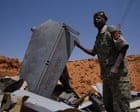
The violence in Sudan has reached a new threshold of indiscriminate lethality as a drone strike near a market in al-Dibab, West Kordofan, claimed the lives of eighty individuals. Witnesses describe the scene as a transport hub where commuters were gathering to catch rides home when the drone struck twice. The high casualty count, composed largely of ordinary citizens rather than combatants, underscores the brutal reality of a war that has increasingly targeted civilian infrastructure and gathering points. The attack did not merely kill; it severed the fragile threads of daily life that remained in the region, leaving behind a community shattered by the sudden loss of so many members in a single evening.
The underlying tension in West Kordofan reflects the broader collapse of state authority and the militarization of civilian spaces. The use of drones in such a dense, populated area suggests a shift in tactical doctrine, where precision is sacrificed for area denial or intimidation. This incident highlights the institutional friction between warring factions and the international community, which has struggled to enforce ceasefires or protect non-combatants. The lack of effective air defense or early warning systems in the region leaves the population vulnerable to such asymmetric strikes, turning public spaces into potential kill zones.
The downstream consequences of such a massacre are profound and immediate. The psychological trauma inflicted on the survivors and the wider community will likely drive further displacement, as families flee to avoid becoming the next target. Economically, the destruction of the transport hub disrupts local trade and supply chains, exacerbating the humanitarian crisis. Internationally, the incident may pressure foreign governments to reconsider their diplomatic stances, potentially leading to stricter sanctions or increased military aid to one side, thereby prolonging the conflict. The loss of eighty lives in a single strike serves as a grim reminder of the human cost of inaction.
Comments 0