Supreme Court Bars Courts from Forcing Third‑Party Suit in Decree Challenges
The apex court ruled that an executing court cannot compel a third party to file a separate suit to contest a decree. The decision curtails procedural overreach and reshapes litigation strategy for litigants across India.
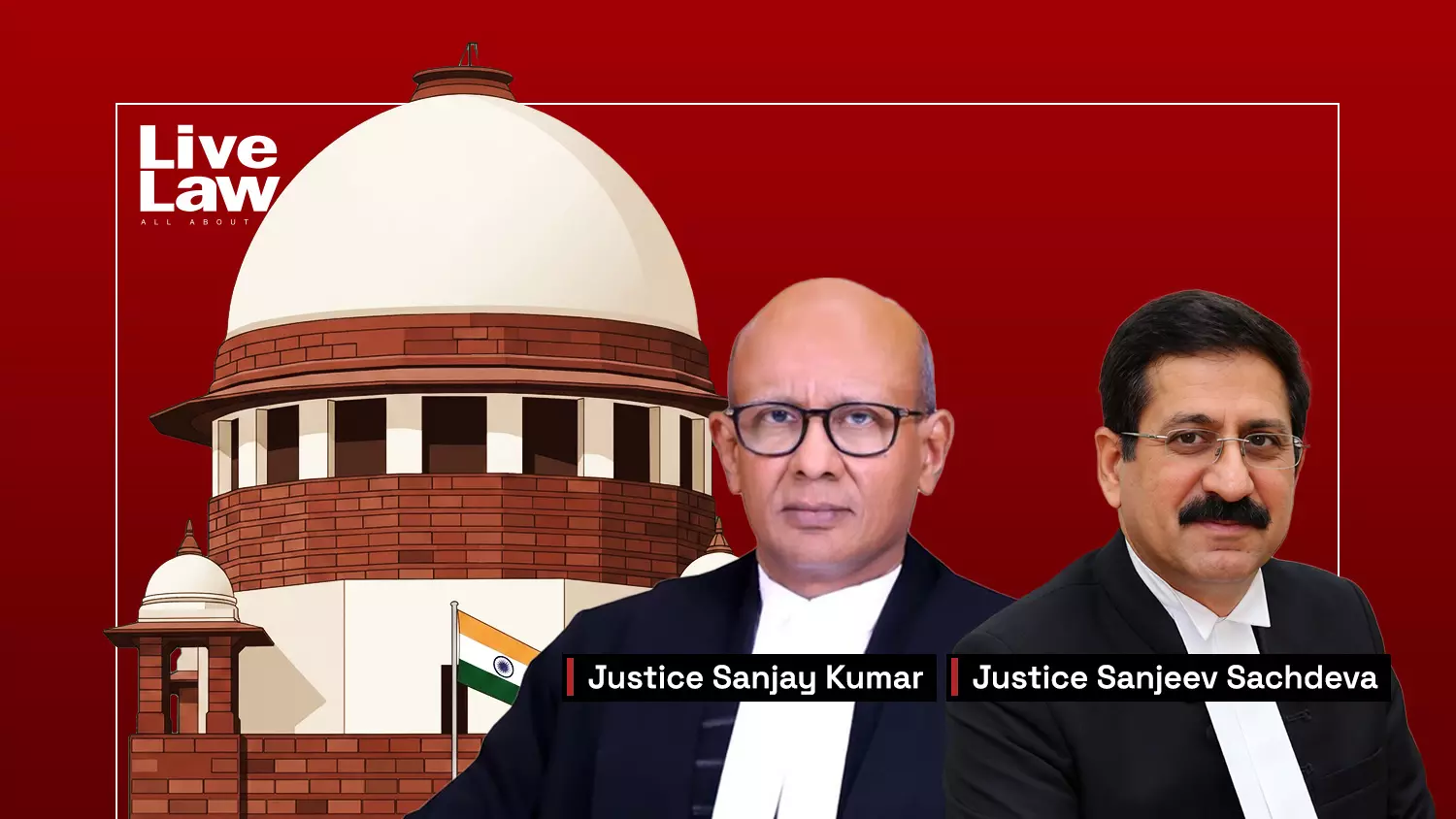
The Supreme Court, interpreting Order 21 Rule 97 of the Civil Procedure Code, held that a court executing a decree lacks authority to direct an uninvolved party to initiate a distinct suit for challenging that decree. This interpretation stems from a petition that highlighted the undue burden placed on third parties who were never parties to the original dispute, and the judgment emphasized the need to preserve procedural fairness. By drawing a clear line on the court's jurisdiction, the ruling seeks to prevent a cascade of ancillary litigation that could clog the judicial system.
Legal practitioners across the country have welcomed the clarification, noting that it restores a balance between enforcing judgments and protecting the rights of those inadvertently drawn into legal battles. The judgment also signals to lower courts that they must adhere strictly to the procedural boundaries set by the Code, thereby reducing the risk of procedural abuse. Law firms are expected to revise their advisory notes and client counseling practices to reflect this new limitation, ensuring that parties are not forced into costly and unnecessary litigation.
In the broader context, the decision may influence the volume of pending cases in district courts, where procedural delays often exacerbate backlog. By eliminating a potential avenue for frivolous or coercive suits, the judiciary hopes to streamline case management and allocate resources more efficiently. Over the next year, observers anticipate a modest decline in ancillary filings, allowing courts to focus on substantive disputes and potentially accelerating the resolution of pending matters.
Comments 0