Supreme Court Bars Electoral Manipulation of Judicial Stays
The apex court has issued a definitive ruling that prohibits the use of legal stays on criminal convictions solely to secure eligibility for electoral contests. This judicial intervention strikes at the core of a long-standing practice where political actors exploited procedural delays to maintain their public office while facing serious criminal allegations.
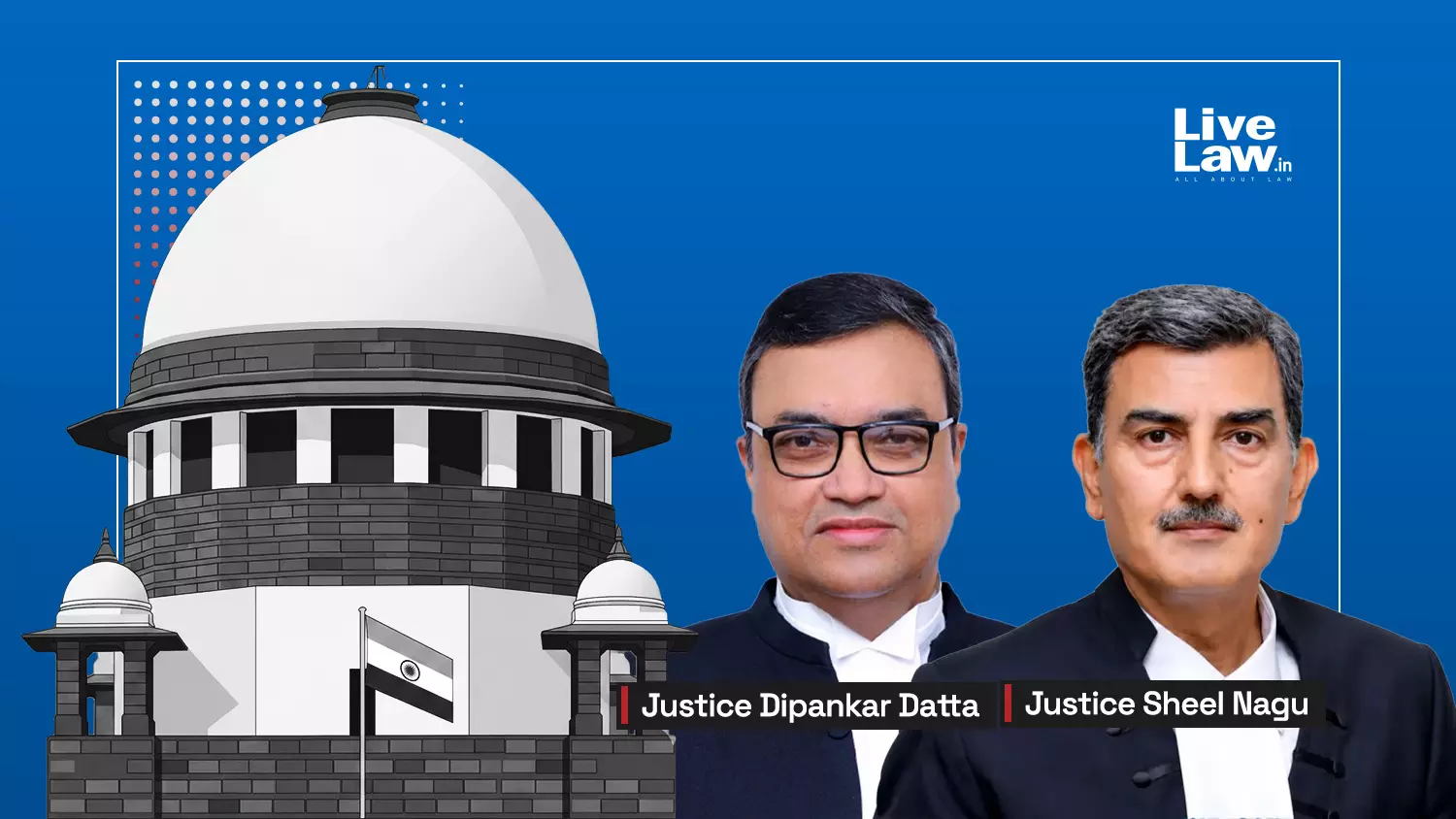
The Supreme Court of India has drawn a hard line in the sand, declaring that the judicial system cannot be reduced to a tool for managing political calendars. In a significant pronouncement, the bench held that a stay on a criminal conviction cannot be sought with the singular intent of contesting elections. This ruling dismantles a legal loophole that allowed convicted individuals to remain in public office or contest new seats by leveraging the slow pace of appellate justice. The court emphasized that statutory powers must not be leveraged to suit electoral ambitions, thereby restoring the integrity of the electoral process.
The underlying tension in this matter stems from the friction between the independence of the judiciary and the pragmatic realities of political power. For years, a grey area existed where politicians facing disqualification due to criminal convictions would seek interim stays to continue their political careers. This practice created a perception that the law was secondary to political survival, eroding public trust in both the courts and the electoral system. The court's decision addresses this institutional friction by clarifying that the purpose of a stay must be genuine legal redress, not a strategic maneuver to bypass constitutional disqualifications.
The immediate consequence of this ruling is a significant shift in the legal strategy of politicians facing criminal cases. Those who have relied on stays to maintain their political relevance will find their options severely limited. This decision serves as a tangible outcome for civil society and legal reformers who have long argued for stricter enforcement of disqualification laws. It signals a new era where the judiciary is actively preventing the instrumentalization of legal processes for political gain, potentially altering the composition of future legislatures and strengthening the rule of law.
Comments 0