Supreme Court Declares Voter Right to Sue Candidate Without Election Commission Permission
The apex court struck down a Karnataka High Court ruling, affirming that any voter may file a criminal complaint against a candidate for false statements. The judgment removes a procedural barrier and signals a shift in electoral accountability.
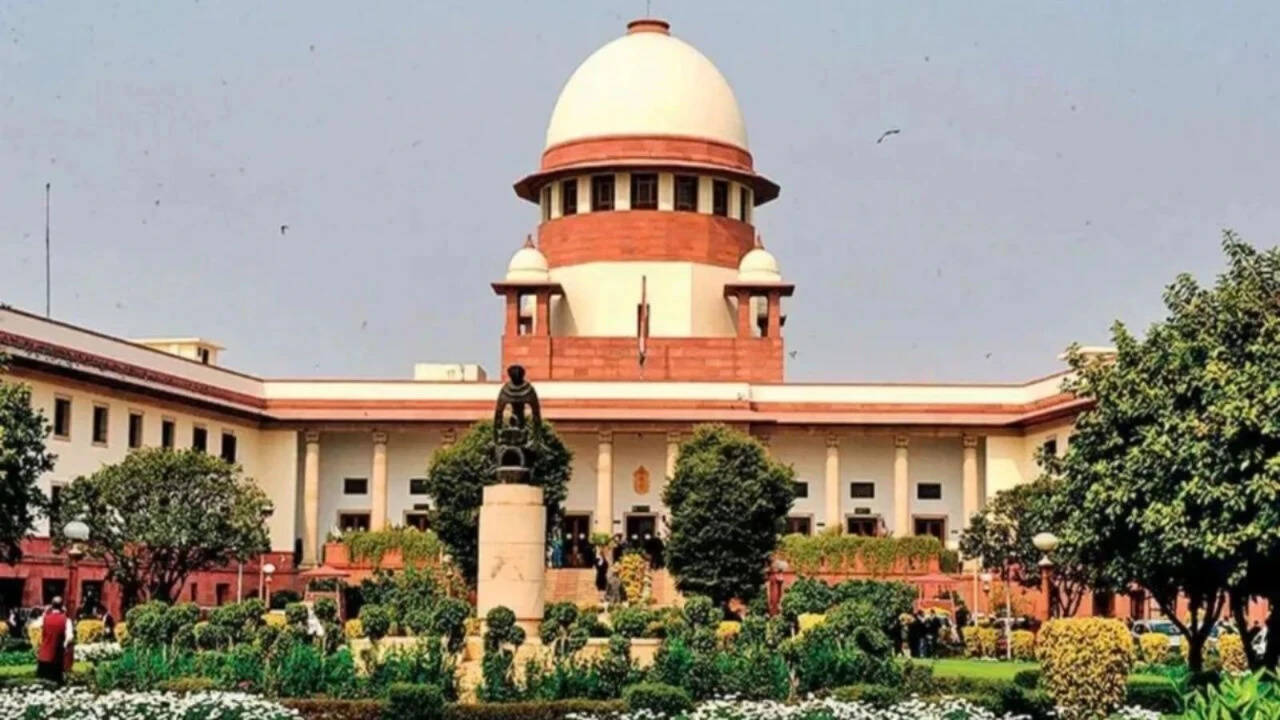
The Supreme Court's two‑judge bench, led by Justices Dipankar Datta and Sheel Nag, issued a decisive order that overturns a prior decision by the Karnataka High Court. By declaring that a voter does not need prior sanction from the Election Commission to lodge a private criminal complaint, the court has opened a direct legal pathway for citizens to challenge misinformation in election campaigns. The immediate effect was a flurry of legal notices filed across several constituencies, as activists prepared to test the new precedent.
The ruling emerges against a backdrop of growing concern over the proliferation of false statements during elections, a phenomenon that has eroded public trust in the democratic process. Historically, the Election Commission has acted as a gatekeeper, requiring formal petitions before any criminal investigation could commence. Critics argued that this arrangement insulated candidates from swift accountability, while officials within the commission warned that unchecked complaints could overwhelm the judicial system. The bench's decision reflects a tension between safeguarding free speech and ensuring electoral integrity.
In the months ahead, the decision is expected to reshape campaign strategies, prompting political parties to scrutinize their messaging more rigorously. Legal scholars anticipate an increase in litigation, which may strain lower courts but also compel parties to adopt stricter fact‑checking mechanisms. Voters, empowered with a new tool, could become more vigilant, potentially altering the calculus of electoral competition and influencing the composition of future legislatures.
Comments 0