Supreme Court Greenlights Border Wall Construction in West Texas
The US Supreme Court has permitted the Trump administration to continue constructing a border wall in Big Bend, Texas, while a related lawsuit proceeds. This emergency relief decision effectively pauses judicial challenges to the project, allowing federal agencies to advance physical construction on the ground.
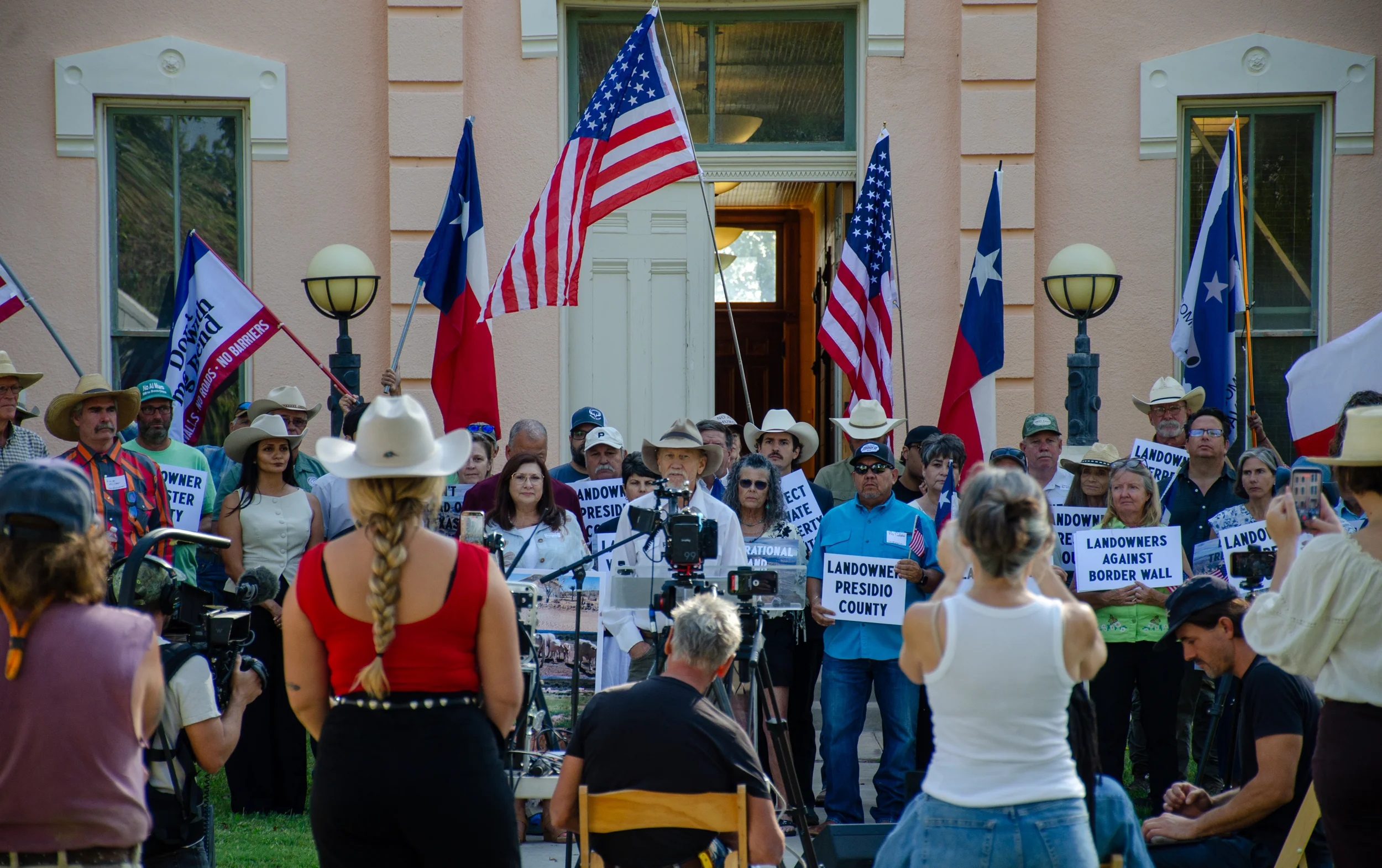
The concrete rupture is the physical continuation of a project that had been stalled by legal injunctions. By granting emergency relief, the Supreme Court has signaled that the executive branch's authority to build the border wall takes precedence over the ongoing litigation in the lower courts. This is not a final judgment on the merits of the case, but a procedural victory that allows the machinery of construction to keep moving. The immediate effect is the deployment of resources, labor, and materials to the Big Bend area, cementing the presence of the federal government in a region where such presence is politically and legally contested.
The underlying tension is the long-standing battle between executive power and judicial review in matters of national security and immigration. The administration's argument is that the wall is a matter of urgent national interest, and that delays caused by litigation compromise security. The opposing view, held by the challengers, is that the construction violates environmental laws and property rights. The Supreme Court's decision to allow the work to continue reflects a judicial preference for deferring to the executive in areas of national security, even when the legal basis is contested. This friction is likely to intensify as the project expands and more legal challenges are filed.
The downstream casualties include local communities and environmental groups who see the wall as an intrusion on their land and ecosystem. The construction process itself brings economic disruption, with increased traffic, noise, and potential damage to local infrastructure. For the federal government, the decision provides a precedent that can be used in other border construction projects, potentially accelerating the pace of the entire wall initiative. The tangible outcome is a physical barrier that is becoming a permanent fixture of the , with all the political and social implications that entails.
Comments 0