Supreme Court Proclaims Internet Access a Fundamental Right While Weighing Child Mode Mandates
India's highest court has formally recognized digital connectivity as a fundamental right while urging tech platforms to implement mandatory child safety modes. This judicial intervention establishes a constitutional baseline for digital access while forcing social media networks to overhaul their minor protection architectures.
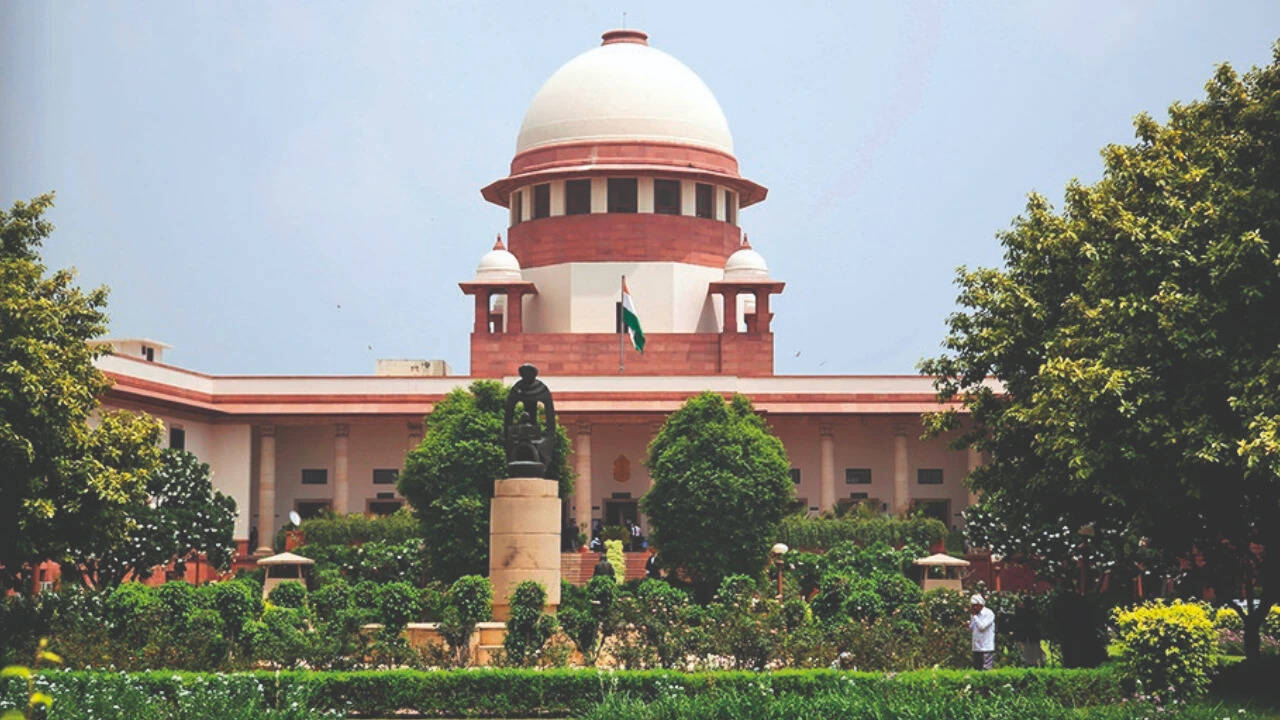
The intersection of digital connectivity and constitutional rights reached a definitive milestone when the Supreme Court declared internet access to be an inalienable fundamental right for all citizens, including the youngest demographics. This judicial pronouncement arrives at a time when digital infrastructure dictates economic mobility, educational access, and social participation across every strata of Indian society. By elevating the internet from a mere utility to a constitutional necessity, the judiciary has effectively restricted the state from arbitrarily severing connectivity during civil unrest without meeting stringent legal thresholds. Yet, this expansion of rights is paired with an acute awareness of the digital realm's predatory hazards for minors.
In addressing the vulnerabilities inherent in unchecked digital exposure, the bench strongly advocated for the introduction of a dedicated child mode across all major social media platforms. The proposed mechanism seeks to shield children from algorithmic manipulation, cyberbullying, and inappropriate content without imposing draconian censorship on adult users. Institutional friction is already mounting as technology conglomerates evaluate the technical feasibility of verifying age and partitioning user experiences securely. Privacy advocates argue that stringent verification processes could compromise the data security of all users, while child welfare organizations maintain that voluntary compliance by tech companies has proven entirely inadequate.
Downstream casualties of this judicial directive will likely include unregulated social media ecosystems that profit from the unmonitored engagement of underage users. Platforms failing to comply with upcoming regulatory frameworks face severe legal penalties and potential bans within one of the world's largest digital consumer markets. The ultimate outcome is a fundamental reordering of power dynamics between sovereign regulators and multinational technology firms, ensuring that public welfare supersedes corporate engagement metrics. As implementation details are finalized, India is poised to set a global benchmark for balancing constitutional liberties with child protection in the digital age.
Comments 0