Supreme Court Upholds Interim Bail for Azam Khan in Money Laundering Case
The Supreme Court has refused to stay the interim bail granted to Azam Khan, dismissing the government's urgent plea to pause the order in a high-profile money laundering case. The decision underscores the judiciary's reluctance to interfere with lower court bail decisions unless there is a clear miscarriage of justice, leaving the prosecution in a precarious position.
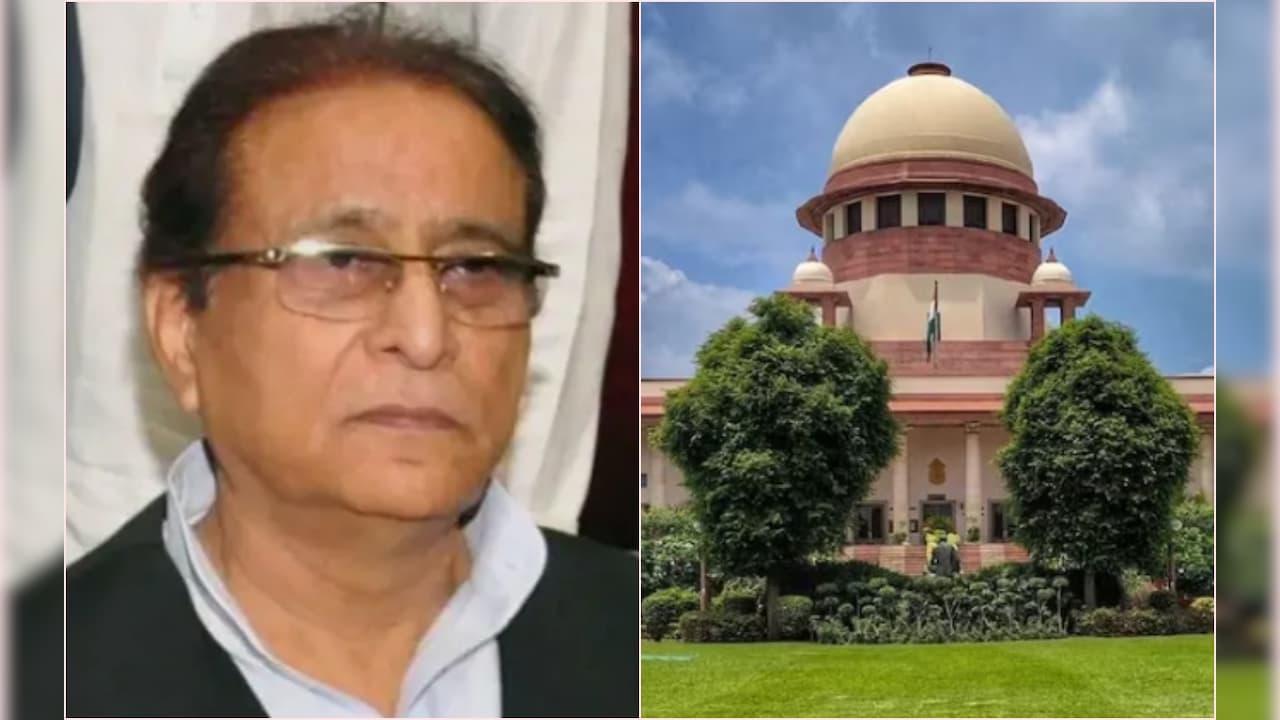
The Supreme Court’s refusal to pause the interim bail granted to Azam Khan marks a significant moment in the ongoing legal battle surrounding the politician. The bench, while mentioning the matter for urgent listing, did not grant the stay sought by the Additional Solicitor General, effectively allowing Khan to remain out of custody. This procedural victory for the defense sends a strong signal that the higher judiciary is not inclined to overturn bail decisions at the interim stage without compelling evidence of irregularity in the granting process. The ruling places the onus on the prosecution to build a robust case rather than relying on procedural stays to keep the accused in jail.
The friction here lies in the perception of justice versus the reality of legal procedure. The government’s attempt to seek an urgent listing reflects the political sensitivity of the case and the desire to maintain public confidence in the enforcement of anti-money laundering laws. However, the court’s stance reinforces the principle that bail is a right, not a privilege, and that the executive branch cannot use the judiciary as a tool for political containment. This decision may embolden other accused in similar high-profile cases to seek interim bail, potentially straining the judicial system with a flood of similar petitions.
The downstream impact is a shift in the strategic calculus for both the prosecution and the defense. For the government, the failure to secure a stay weakens its narrative of strict enforcement and may lead to increased political pressure on the judiciary. For Khan, the decision provides a platform to continue his political activities from outside prison, potentially influencing the political in his home state. The case will now hinge on the merits of the evidence presented in the trial, rather than procedural maneuvers, setting the stage for a prolonged legal battle that will test the limits of judicial discretion in politically charged cases.
Comments 0