Tata Trusts Challenge N. Chandrasekaran's Second Term in Bombay High Court
The Tata Trusts have filed a suit in the Bombay High Court to invalidate the reappointment of N. Chandrasekaran as executive chairman of Tata Sons, seeking damages and a ban on his casting vote. This legal maneuver marks a profound rupture in the governance structure of India's largest industrial conglomerate, shifting the balance of power from the boardroom to the judiciary.
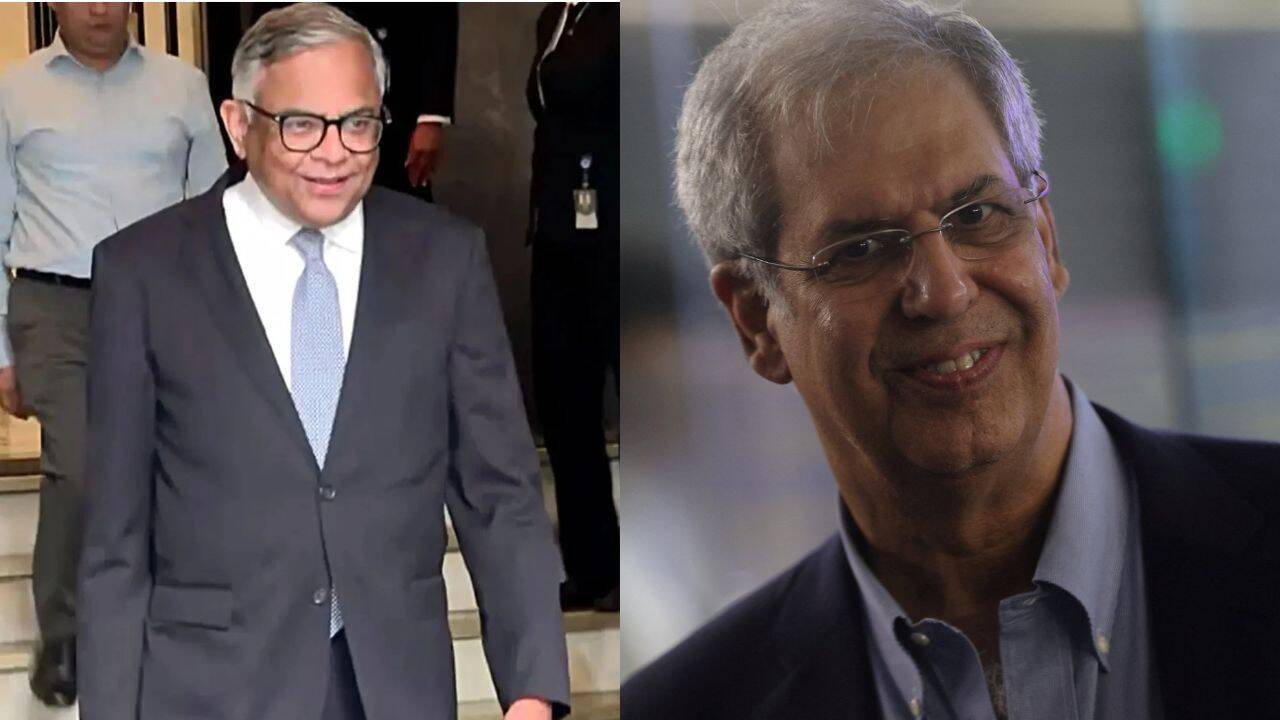
The filing represents a concrete rupture in the long-standing consensus that has governed the Tata group for over a century. By challenging the second term of N. Chandrasekaran, the Trusts are not merely contesting a personnel decision but are asserting a fundamental reinterpretation of the fiduciary duties owed to the charitable entities that own the corporate group. The suit seeks Rs 65 crore in damages and specifically asks the court to bar the chairman from using a casting vote in cases of disagreement, a move that would effectively neutralize the executive authority of the top leadership in a corporate empire valued in hundreds of billions of dollars.
The underlying tension stems from a deepening institutional friction between the charitable trusts and the corporate board. For decades, the Tata model relied on a delicate, often unspoken, equilibrium where the Trusts provided legitimacy and capital while the board managed operations. This case suggests that this equilibrium has collapsed, replaced by a formalized legal contest over the interpretation of the group's founding documents. The Trusts argue that the reappointment violates the terms of their stewardship, while the corporate side likely contends that continuity in leadership is essential for strategic stability in a complex global market.
The downstream casualties of this legal battle will be felt across the entire Tata ecosystem, from consumer brands to heavy industry. A prolonged judicial intervention could paralyze decision-making, deter foreign investment, and create uncertainty for thousands of employees and shareholders. The tangible outcome may not be a simple victory for either side but a forced restructuring of the Tata governance model, potentially leading to a more transparent, legally codified separation between charitable oversight and corporate management that will serve as a precedent for other family-controlled conglomerates in India.
Comments 0