Telangana Enforces 25 Percent Quota in Private Schools for Underprivileged Students
The Telangana government has moved to implement a 25 percent reservation quota in private schools for children from underprivileged backgrounds, a move that aims to bridge the educational divide. This policy shift places direct financial and operational pressure on private educational institutions, forcing them to restructure their admission processes and fee structures.
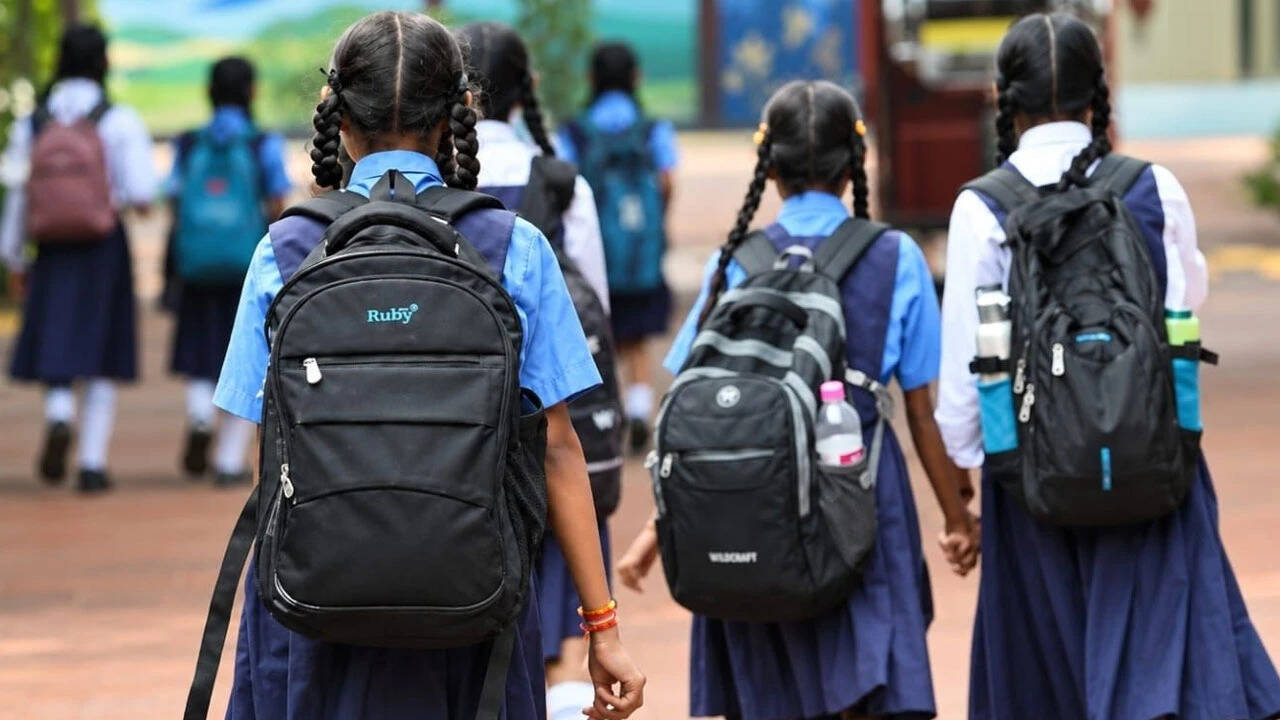
The implementation of the 25 percent RTE quota in private schools in Telangana is a significant intervention in the education market. By mandating that a quarter of seats be reserved for underprivileged students, the government is attempting to correct the historical inequities that have kept marginalized communities out of quality education. This is not just a social policy; it is an economic one, as it changes the revenue model of private schools, which have traditionally relied on high fee paying students to fund their operations. The concrete rupture is the forced integration of two disparate student bodies, which will require significant changes in pedagogy, infrastructure, and administrative support.
The underlying tension is between the profit motives of private school owners and the social justice objectives of the state. Private schools argue that the quota will dilute the quality of education and burden them with the costs of supporting underprivileged students without adequate compensation. The state, on the other hand, views education as a fundamental right and not a commodity. This institutional friction is likely to lead to legal challenges and non compliance, as private schools seek to find loopholes in the law. The outcome will depend on the strength of the enforcement mechanism and the willingness of the judiciary to uphold the social contract.
The downstream consequences will be felt by students, parents, and teachers alike. Underprivileged students will gain access to better educational resources, but they may face social and academic challenges in an environment that is not designed for them. Private schools may be forced to lower their fees or improve their efficiency to remain viable. The tangible outcome will be a more diverse student body, but also a more complex and potentially unstable educational ecosystem. The 12 month forecast suggests a period of adjustment, with some schools closing or merging, and others adapting to the new reality.
Comments 0