Karnataka High Court Refuses Bail to KPSC Official Accused of Interview Bias
The Karnataka High Court denied anticipatory bail to a Karnataka Public Service Commission member alleged to have favoured a candidate in a state civil service interview, intensifying scrutiny of recruitment integrity. The ruling underscores judicial resolve to uphold merit‑based selection. The decision has sparked debate over systemic safeguards within public examinations.
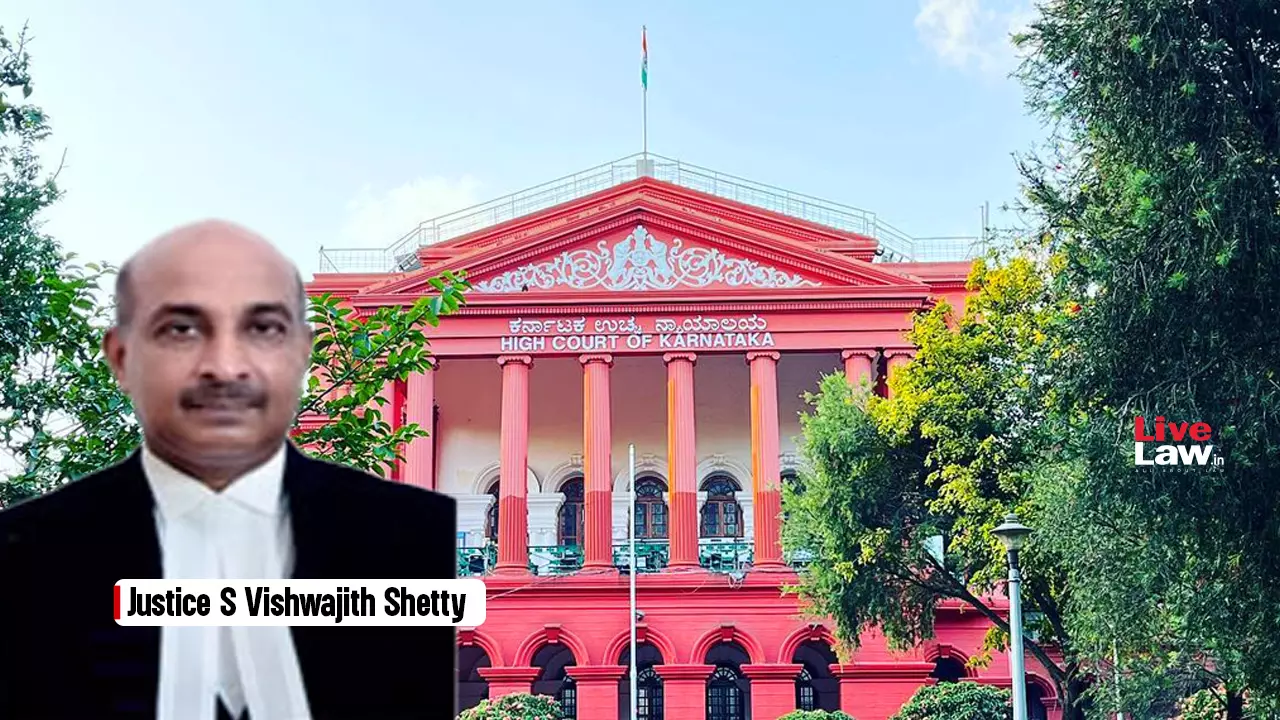
The concrete rupture occurred when the Karnataka High Court, sitting in Bengaluru, rejected the anticipatory bail petition filed by a senior KPSC official accused of manipulating the interview process for the Karnataka Administrative Service. The court's order was pronounced after the prosecution presented evidence suggesting that the official had intervened to advantage a particular aspirant, thereby compromising the fairness of the selection procedure. The denial of bail signals a willingness to allow the criminal trial to proceed without delay, reinforcing the judiciary's stance on accountability in public recruitment.
Underlying tension revolves around the broader perception of corruption within state‑run examinations, which have historically been lauded as gateways to merit‑based civil service careers. Institutional friction is evident as the KPSC grapples with internal reforms, while opposition parties and civil‑society groups demand greater transparency and external oversight. The episode has prompted calls for a review of interview protocols, including the introduction of third‑party observers and the digitisation of assessment records to deter undue influence.
The downstream casualties may involve a loss of public confidence in the state's recruitment apparatus, potentially deterring qualified candidates from pursuing civil‑service careers. Moreover, the scandal could trigger a wave of litigation against other officials implicated in similar misconduct, stretching the judicial system's resources. Over the next twelve months, the KPSC is expected to implement stricter compliance measures, possibly revising its interview guidelines and establishing an independent audit committee to restore credibility.
Comments 0