The Chhath Rituals: A Spiritual Anchor in a Changing World
Women across Uttar Pradesh are gathering to perform the Chhath rituals, a practice that reinforces community bonds and spiritual identity. This annual observance serves as a counterbalance to the rapid urbanization and social fragmentation of the region.
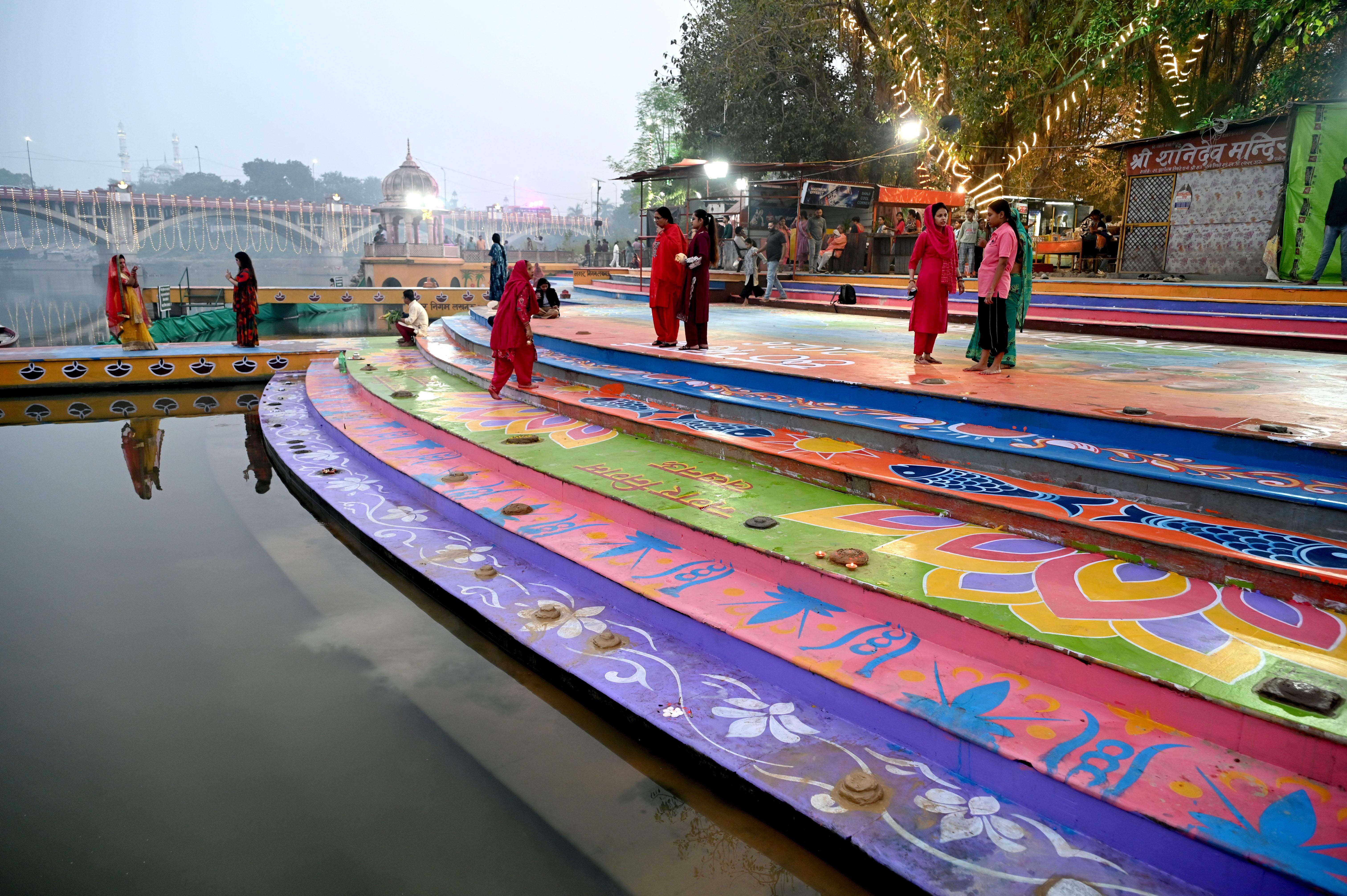
The gathering of women in Lucknow and other parts of Uttar Pradesh to perform the Chhath rituals is a concrete manifestation of cultural continuity. This ancient practice, which involves fasting and offering prayers to the sun god, is not merely a religious observance but a social event that brings communities together. The rituals are performed with great devotion and precision, reflecting the deep spiritual roots of the region. The presence of women as the primary participants underscores the central role of gender in the preservation of cultural traditions. This event is a tangible link to the past, providing a sense of identity and belonging in a rapidly changing world.
The underlying tension is the conflict between traditional values and modern lifestyles. As urbanization accelerates, many young people are moving away from rural areas and adopting new ways of life. The friction is between the desire for progress and the need to preserve cultural heritage. The Chhath rituals serve as a bridge between these two worlds, allowing people to maintain their spiritual connections while adapting to modern realities. The institutional friction is between the state's focus on development and the community's focus on tradition, and the rituals provide a space where both can coexist.
The downstream casualties of the erosion of traditional practices are the loss of social cohesion and the weakening of community ties. The Chhath rituals help to mitigate these losses by providing a regular opportunity for people to come together and share their experiences. The tangible outcome of this event is a stronger and more resilient community that is better equipped to face the challenges of modern life. The 12-month consequence will be a renewed interest in traditional practices among the youth, as they seek to reconnect with their cultural roots in a world that is increasingly dominated by technology and globalization.
Comments 0