The Cost of Silence: Tea Garden Lockout Strips 1,800 Workers of Livelihood
A prolonged lockout at the Bharnobari tea garden in West Bengal has left 1,800 workers unemployed, exacerbating economic distress in the region. The dispute highlights the fragility of labor relations in India's traditional tea industry, where industrial unrest directly impacts the livelihoods of thousands.
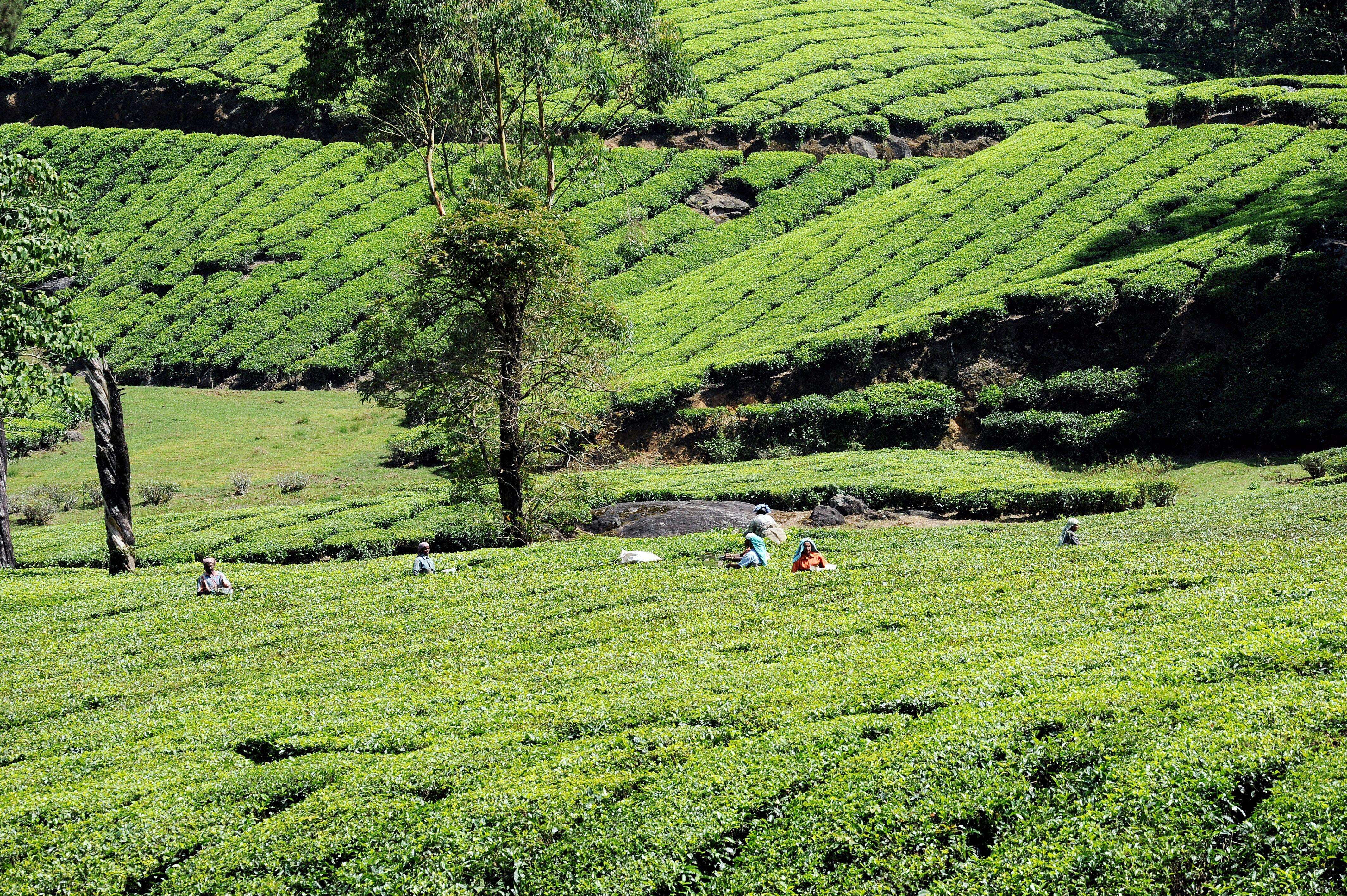
The concrete rupture is the immediate loss of income for 1,800 tea garden workers in Bharnobari, West Bengal. The lockout, a tool of industrial dispute, has halted production and severed the primary source of sustenance for these families. In a region where the tea garden is not just a workplace but a community, the suspension of work is a social and economic crisis. The workers, many of whom have no alternative employment, are now facing food insecurity and debt, a stark consequence of the standoff between management and labor.
The underlying tension is rooted in the historical power dynamics of the tea industry, where workers have long struggled for fair wages and better working conditions. The lockout is a response to demands that management views as financially unsustainable, while workers see as a matter of survival. This friction reflects a broader national trend where industrial disputes are becoming more frequent as economic pressures mount. The institutional failure lies in the lack of effective mediation mechanisms that can resolve such disputes without resorting to punitive measures that harm the most vulnerable.
The downstream casualties are the local economy and the social fabric of the tea garden community. The loss of wages reduces local spending, affecting small businesses and services that depend on the workers' income. The tangible outcome is a deepening of poverty in an already marginalized region. In twelve months, this dispute will likely influence labor policies in the tea industry, potentially leading to stricter regulations on lockouts and a renewed focus on worker welfare.
Comments 0