The Delhi Riots Verdict: Tahir Hussain's Conviction and the Limits of Judicial Accountability
A Delhi court has convicted Tahir Hussain for abetment of rioting while acquitting him of other charges, a decision that highlights the complexities of prosecuting communal violence. This verdict is a mixed signal, acknowledging the gravity of the riots while also reflecting the challenges of securing convictions in such cases.
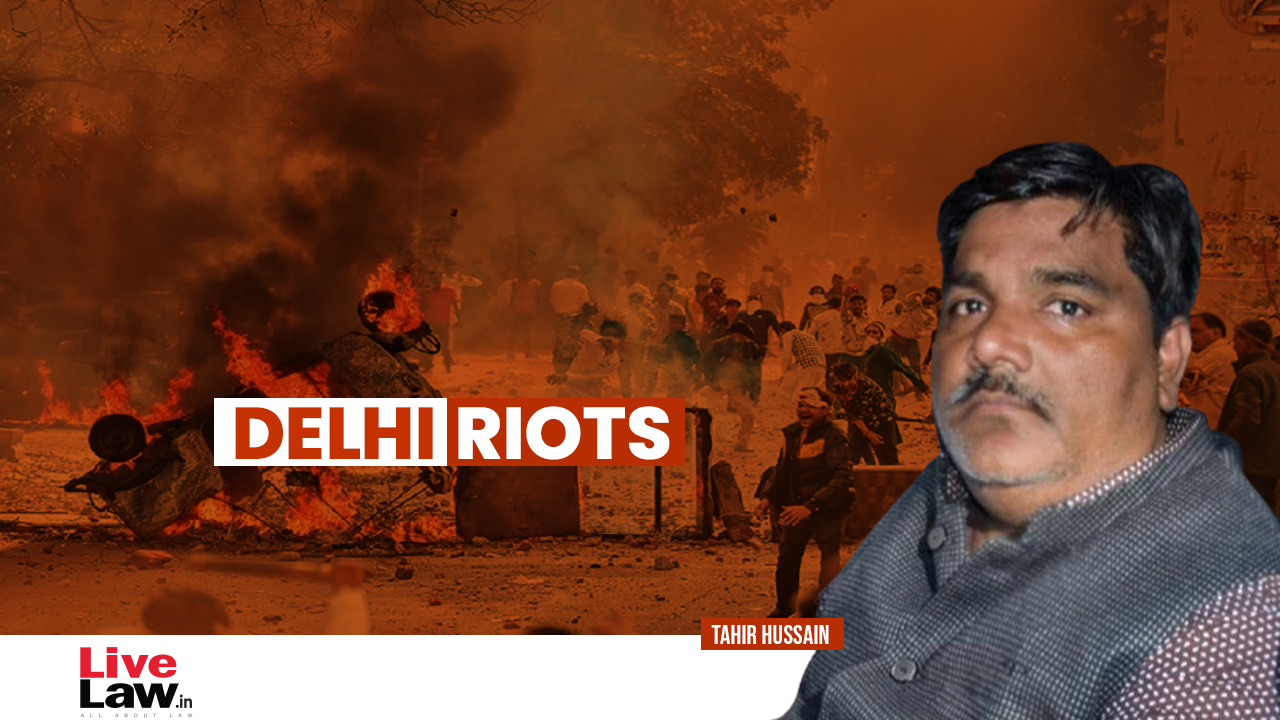
The concrete rupture is the conviction of a prominent figure for abetment of rioting, a charge that is often difficult to prove in cases of communal violence. This is not a complete victory for the prosecution, as the acquittal on other charges suggests that the evidence was not strong enough to support a more serious conviction. The immediate shockwave is the debate over the adequacy of the punishment and the need for stronger laws to deter communal violence. This move also sends a signal to potential perpetrators that the state is willing to hold them accountable for their actions, even if the legal process is slow and complex.
The underlying tension is the challenge of prosecuting communal violence in a democratic society, where the rights of the accused must be balanced against the need for justice. The institutional friction is evident in the coordination between the police, the prosecution, and the judiciary, which must work together to build a strong case. This dynamic reflects a broader shift in the legal , where the state is forced to balance the need for security with the need for fairness and due process. The challenge is to maintain a high level of accountability without creating an atmosphere of fear and suspicion.
The downstream casualties include the continued sense of insecurity among minority communities and the potential for further communal tensions. For the legal system, this case is a reminder that the prosecution of communal violence is a complex and challenging task, and that the state must be prepared to invest the time and resources necessary to secure a fair and just outcome. The long-term outcome is a more robust legal framework for dealing with communal violence, but also a continued struggle to ensure that justice is served for all victims.
Comments 0