The Ethanol Mandate Collision: Karnataka Challenges National Fuel Blending Targets
Karnataka minister Priyank Kharge has accused the Central government of misleading citizens regarding high levels of ethanol blending in petrol. The public dispute highlights growing friction between state administrations and federal energy policies regarding automotive longevity and consumer safety.
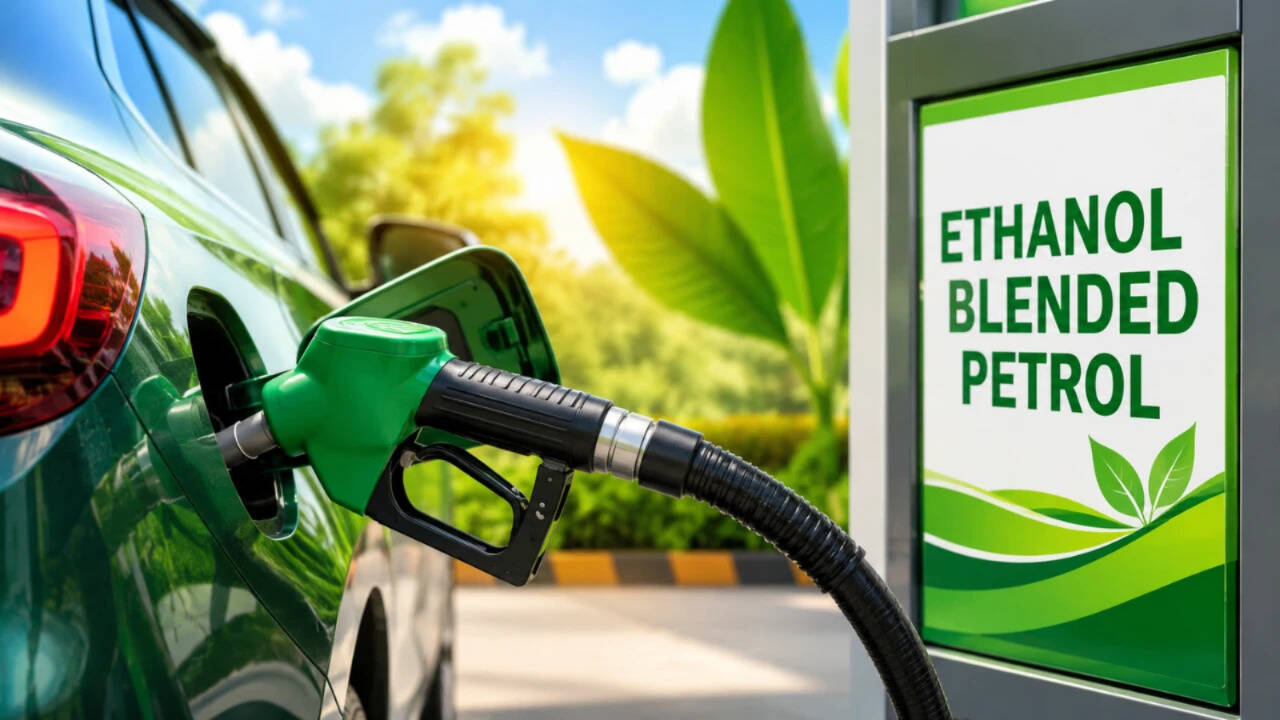
The political architecture of India's energy transition encountered a severe speed bump as Karnataka minister Priyank Kharge launched a direct attack on federal fuel policies. Alleging that citizens are being subjected to an unacknowledged experiment via excessive ethanol blending in petrol, Kharge pointed to independent laboratory reports showing chemical concentrations far above the officially mandated limits. This critique strikes at the heart of the national ethanol blending program, an ambitious administrative push designed to reduce crude oil import dependence while supporting domestic sugarcane farmers. By framing the policy as an unchecked imposition on millions of vehicle owners, the state-level challenge introduces a new axis of federal friction over public welfare and environmental mandates.
The administrative rationale behind the E20 fuel roadmap involves complex macroeconomic calculations, balancing foreign exchange savings against the mechanical wear and tear experienced by internal combustion engines. While federal ministries emphasize emissions reduction and agricultural subsidies, regional authorities face the immediate wrath of motorists dealing with reduced fuel efficiency and potential engine corrosion. This divergence exposes a critical communication gap between policy architects in New Delhi and state administrators accountable to local consumers. As the debate intensifies, institutional trust in fuel quality certification standards is being tested by competing political narratives and contradictory technical assessments from state and central laboratories.
The downstream casualties of this policy standoff extend directly to automobile manufacturers, fuel distributors, and everyday commuters navigating ambiguous fuel specifications. Without standardized nationwide disclosures regarding exact ethanol ratios at individual dispensing units, consumers remain vulnerable to mechanical damages that insurance policies rarely cover. Furthermore, the public confrontation threatens to complicate federal efforts to accelerate renewable fuel targets, forcing automotive companies to reconsider warranty terms for vehicles operating on high-blend fuels. Ultimately, this political confrontation signals that future energy transitions will face fierce regional resistance unless federal bodies secure broad consensus on technical transparency and consumer protection.
Comments 0